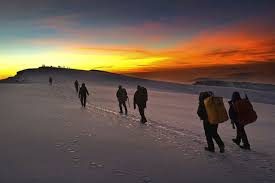
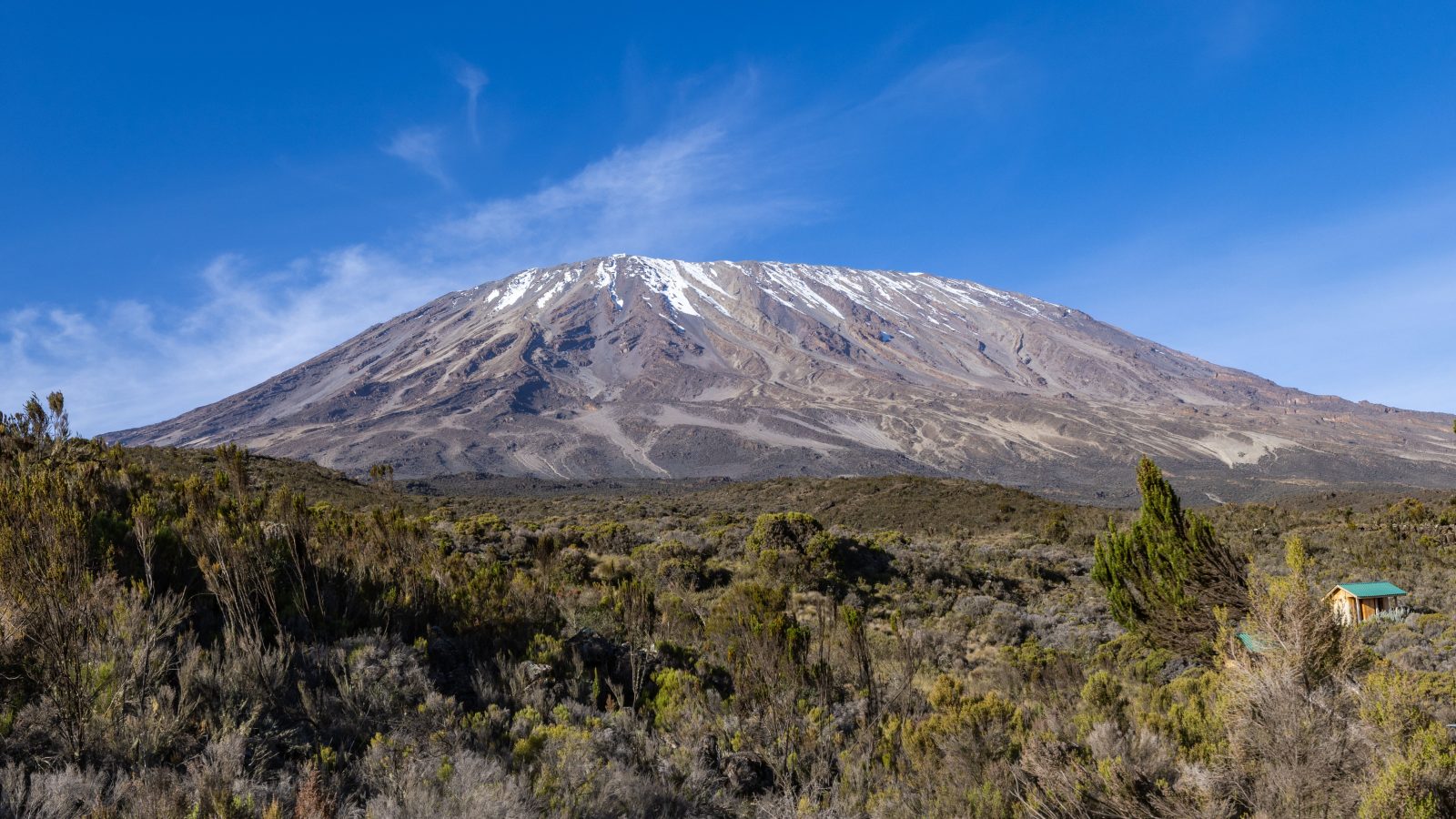
Climbing Mount Kilimanjaro is one of the world's greatest trekking adventures. Standing at 5,895 meters (19,341 feet) above sea level, it is Africa's highest mountain and the tallest free-standing mountain on Earth. Every year, thousands of travelers visit Tanzania with one dream—to stand on Uhuru Peak and watch the sunrise above the clouds.
If you're planning your first Kilimanjaro expedition, you probably have plenty of questions. Do you need climbing experience? How fit should you be? Which route is best? What does it cost? Is altitude sickness dangerous? What should you pack?
As a Tanzania-based tour operator with years of experience leading climbers on Mount Kilimanjaro, Africantrust Safari has helped adventurers from around the world prepare for a safe and rewarding summit. This guide combines practical planning advice with local knowledge to help you understand exactly what to expect before, during, and after your climb.
You Don't Need Technical Climbing Experience
One of the biggest misconceptions is that climbing Kilimanjaro requires mountaineering skills.
It doesn't.
The standard Kilimanjaro routes are non-technical trekking routes, meaning you do not need ropes, harnesses, crampons, or rock-climbing experience. Instead, success depends on your physical fitness, mental determination, proper acclimatization, and choosing an experienced guiding team.
Choosing the Right Route Matters
Mount Kilimanjaro has seven official climbing routes, each offering a different experience.
Machame Route – Excellent scenery, very popular, good acclimatization.
Lemosho Route – Beautiful landscapes, fewer crowds, excellent summit success.
Marangu Route – Hut accommodation instead of camping, suitable for travelers who prefer more comfort.
Rongai Route – Quieter northern approach with a drier climate.
Northern Circuit Route – Longest route, highest summit success rate, outstanding acclimatization.
Shira Route – Scenic but begins at a higher elevation.
Umbwe Route – Steep, challenging, and recommended for experienced trekkers.
Your route should be selected based on your available time, fitness level, budget, and previous high-altitude experience.
Plan Enough Days for Acclimatization
Altitude is the greatest challenge on Kilimanjaro.
The higher you climb, the less oxygen is available. A gradual ascent allows your body to adapt naturally and greatly improves your chances of reaching the summit.
While some itineraries are completed in five or six days, we generally recommend 7 or 8 days for most climbers. Longer itineraries provide better acclimatization, improve safety, and lead to higher summit success rates.
Physical Preparation Is Essential
You don't need to be an elite athlete, but you should prepare well before your climb.
The best training includes:
Regular hiking on varied terrain.
Cardiovascular exercises such as running, cycling, or swimming.
Strength training for your legs and core.
Walking with a light backpack.
Long weekend hikes to build endurance.
Training for at least 8–12 weeks before your expedition will make your climb more enjoyable.
Understand Altitude Sickness
Almost every climber feels some effects of high altitude.
Common symptoms include:
Headache
Fatigue
Difficulty sleeping
Reduced appetite
Mild nausea
Serious altitude illnesses are much less common but require immediate descent. This is why reputable operators perform daily health checks using pulse oximeters, monitor climbers closely, and carry emergency oxygen.
Always report symptoms to your guide immediately.
Pack the Right Equipment
The weather on Kilimanjaro changes dramatically as you gain altitude.
During one climb you may experience:
Tropical rainforest
Moorland
Alpine desert
Arctic summit conditions
Essential equipment includes:
Waterproof hiking boots
Thermal base layers
Down jacket
Waterproof outer shell
Warm gloves
Trekking poles
Headlamp
Sleeping bag rated for cold temperatures
Sunglasses with UV protection
Sunscreen and lip balm
Reusable water bottles or hydration system
Many items can be rented in Moshi if you prefer not to travel with bulky equipment.
Choose a Responsible Kilimanjaro Operator
Not all operators provide the same level of service.
Before booking, make sure your operator:
Is licensed to operate in Kilimanjaro National Park.
Employs experienced mountain guides.
Provides emergency oxygen and first-aid equipment.
Performs daily health monitoring.
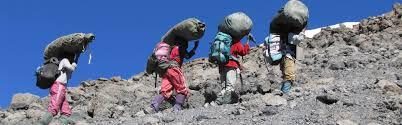
Treats porters ethically.
Offers transparent pricing with no hidden fees.
Maintains excellent safety standards.
Responsible operators invest in guide training, quality equipment, and porter welfare, ensuring a better experience for both climbers and mountain staff.
Know What the Cost Includes
Most Kilimanjaro climbing packages include:
National Park fees
Professional mountain guides
Porters
Mountain cooks
Camping equipment or hut accommodation
Meals during the climb
Airport transfers
Hotel accommodation before and after the trek
Safety equipment
International flights, visas, travel insurance, tips, and personal equipment are usually not included.
The Best Time to Climb Kilimanjaro
The mountain can be climbed throughout the year, but the most popular seasons are:
January to March – Cooler temperatures, fewer crowds, occasional snow near the summit.
June to October – Dry weather, clear views, and peak climbing season.
Shoulder seasons can also offer rewarding experiences with fewer visitors.
Consider Combining Kilimanjaro with a Safari
Many travelers extend their adventure after reaching Uhuru Peak by exploring Tanzania's famous wildlife destinations.
Popular combinations include:
Serengeti National Park
Ngorongoro Crater
Tarangire National Park
Lake Manyara National Park
Zanzibar Beach Holidays
Combining a Kilimanjaro climb with a safari or Zanzibar holiday creates one of Africa's most memorable travel experiences.
Our Advice from the Africantrust Safari Team
Every Kilimanjaro climb is unique, but the climbers who enjoy the best experience usually have one thing in common—they prepare well.
Choose a route that matches your ability, allow enough time for acclimatization, train consistently before your trip, invest in quality equipment, and climb with an experienced local operator that prioritizes safety over speed.
Our team believes that a successful expedition is not simply reaching Uhuru Peak. It is returning safely with unforgettable memories, new friendships, and a deeper appreciation for Tanzania's remarkable landscapes and people.
Whether you are planning your first mountain adventure or returning for another challenge, careful preparation is the key to a confident and successful Kilimanjaro experience.
Africantrust Safari Team
Tanzania safari planning, Kilimanjaro route advice, Zanzibar travel logistics
Travel Experience
Local destination team with first-hand experience operating Tanzania safaris and mountain climbs.
Last Reviewed
Jul 31, 2026
Frequently Asked Questions
Before climbing Kilimanjaro, understand that the biggest challenge is altitude rather than technical climbing. Choose a route with enough time for acclimatization, train for several weeks before your trip, pack appropriate gear, purchase travel insurance, and climb with a licensed operator that prioritizes safety and experienced guides.
No. Mount Kilimanjaro is a non-technical trek, so you do not need previous mountaineering or rock-climbing experience. Good physical fitness, mental determination, and proper preparation are much more important.
You should be in good overall health and able to hike for several hours on consecutive days. Regular hiking, cardio training, and strength exercises for at least 8–12 weeks before your climb will improve your chances of reaching the summit.
Most experienced operators recommend a 7- or 8-day itinerary. Longer routes provide better acclimatization, improve summit success rates, and reduce the risk of altitude sickness compared with shorter climbs.
The Lemosho Route and Machame Route are excellent choices for first-time climbers because they offer beautiful scenery, gradual acclimatization, and high summit success rates. The Northern Circuit is another great option for those with extra time.
For most climbers, the most challenging part is the high altitude and summit night. Cold temperatures, fatigue, and reduced oxygen levels make the final ascent physically and mentally demanding.
Summit night usually begins around midnight. Climbers ascend slowly in cold temperatures and darkness, reaching Uhuru Peak shortly after sunrise. It is the most demanding part of the expedition but also the most rewarding.
Yes. Thousands of first-time climbers successfully reach Uhuru Peak every year by choosing an appropriate route, allowing enough time for acclimatization, and following their guide's instructions.
Mild altitude sickness symptoms are relatively common because of the mountain's elevation. Serious altitude illness is much less common and can usually be prevented through proper acclimatization, hydration, and a gradual ascent.
Choose a longer itinerary, climb slowly, drink plenty of water, eat regular meals, avoid alcohol before the climb, and immediately report any symptoms to your guide.
Essential equipment includes waterproof hiking boots, warm layered clothing, a down jacket, waterproof outerwear, gloves, trekking poles, a headlamp, sunglasses, sunscreen, and a cold-weather sleeping bag. Many items can also be rented in Moshi.
The most popular climbing seasons are January to March and June to October, when weather conditions are generally drier and visibility is excellent. Kilimanjaro can be climbed year-round with proper preparation.
The total cost depends on the route, trip length, accommodation, group size, and operator. Prices typically include park fees, guides, porters, meals, camping equipment or huts, and transfers, while flights, visas, travel insurance, and tips are usually separate.