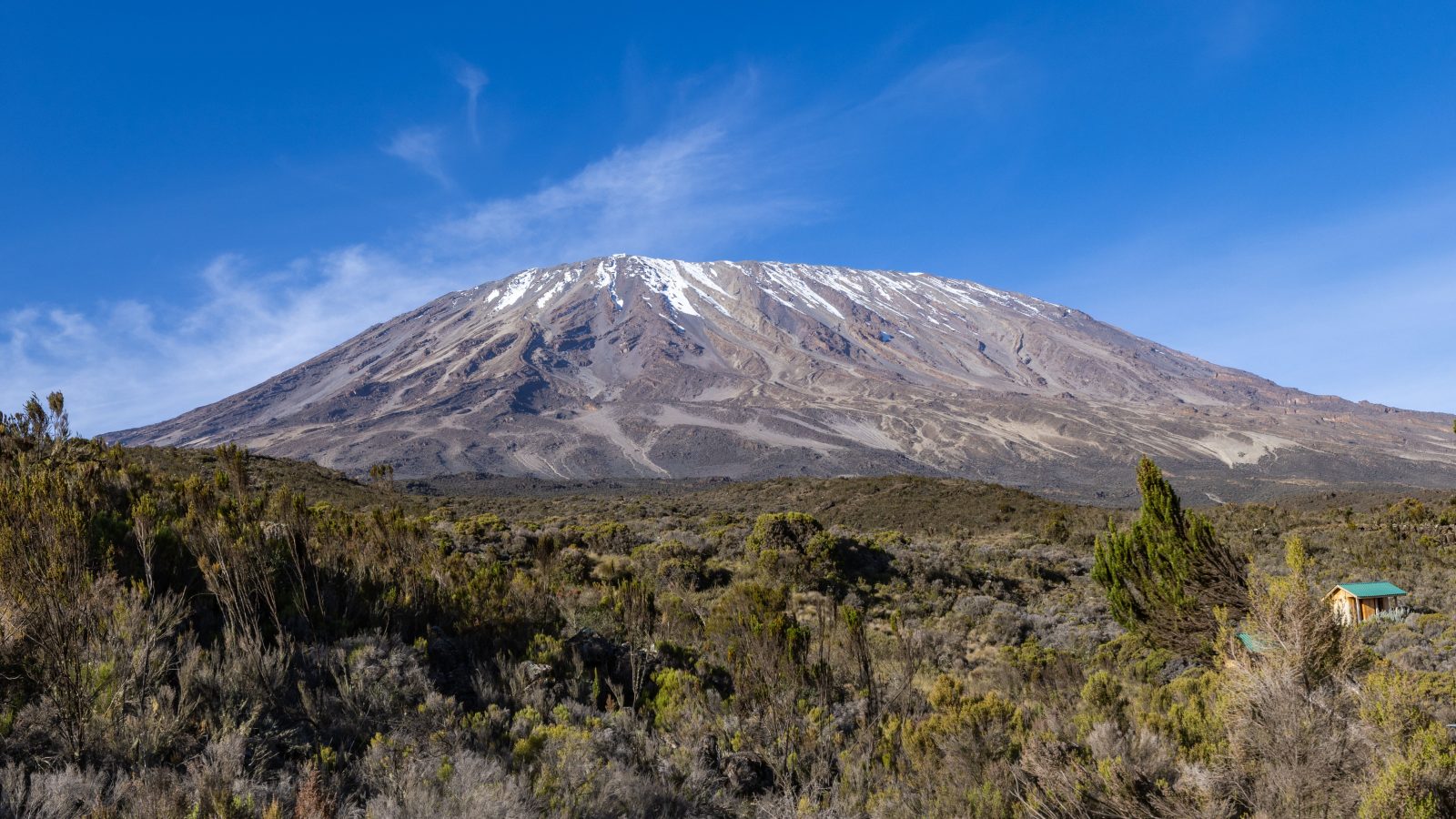
For many travelers, climbing Mount Kilimanjaro is a once-in-a-lifetime adventure. Standing at 5,895 meters (19,341 feet) above sea level, Africa's highest mountain is achievable for many people without technical climbing experience. However, that does not mean it is easy.
One of the most common questions we receive at Africantrust Safari is:
"What is the hardest part of climbing Kilimanjaro?"
The answer is not simply the distance or the steepness of the trail. For most climbers, the greatest challenge is the combination of high altitude, summit night, cold temperatures, physical fatigue, and mental determination. Understanding these challenges before you arrive in Tanzania will help you prepare properly and significantly improve your chances of reaching Uhuru Peak safely.
The Hardest Part Is Usually Summit Night
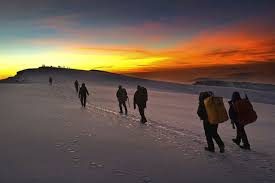
Almost every climber who reaches the summit will tell you that summit night is the most demanding part of the entire expedition.
The final ascent usually begins around midnight, allowing climbers to reach Uhuru Peak shortly after sunrise. By this stage, your body has already spent several days hiking at altitude, and fatigue begins to accumulate.
During summit night you will experience:
Very cold temperatures that can drop below -10°C (14°F) or even lower depending on the season.
Thin air with approximately half the oxygen available at sea level.
A slow, continuous uphill climb lasting several hours.
Darkness for most of the ascent.
Physical exhaustion after multiple days of trekking.
Although the pace is slow, this combination makes summit night the toughest part of the Kilimanjaro experience.
Altitude Is More Difficult Than the Hiking
Many first-time climbers expect steep trails to be the biggest obstacle.
In reality, altitude is the greatest challenge.
As you climb higher, oxygen levels decrease, making every step feel more demanding. Even experienced hikers can struggle if they ascend too quickly without allowing enough time for acclimatization.
Common symptoms include:
Headache
Shortness of breath
Fatigue
Loss of appetite
Difficulty sleeping
Mild nausea
These symptoms are often manageable, but they should always be reported to your guide.
Mental Strength Matters as Much as Physical Fitness
Many climbers are surprised that Kilimanjaro is as much a mental challenge as a physical one.
Walking slowly for six to eight days, coping with changing weather, waking up before midnight for the summit attempt, and continuing despite tired legs requires determination and patience.
One of the best pieces of advice our mountain guides share is to focus on one step at a time. Kilimanjaro is not a race. Maintaining a steady pace and a positive mindset often leads to better results than trying to climb too quickly.
Cold Weather Can Be Surprisingly Challenging
Kilimanjaro passes through several climate zones during the climb.
You may start in warm rainforest conditions wearing a light shirt, then finish the expedition in freezing temperatures near the summit.
Proper clothing is essential.
Layering allows you to stay warm without overheating, while quality gloves, insulated jackets, thermal clothing, and waterproof outerwear make summit night much more comfortable.
Long Days Require Endurance
Although daily hiking distances are generally manageable, spending six to eight consecutive days on the mountain places continuous demands on your body.
Many climbers notice:
Sore muscles.
Blisters.
General fatigue.
Reduced energy levels.
Slower recovery each day.
Preparing with regular hiking and endurance training before your trip makes these long trekking days much easier.
Acclimatization Is the Key to Success
One of the biggest mistakes climbers make is choosing the shortest itinerary.
While five- and six-day climbs are available, most experienced Kilimanjaro guides recommend 7- or 8-day routes because they provide more time for acclimatization.
Routes such as the Lemosho Route, Machame Route, and Northern Circuit Route are popular because their longer itineraries help the body adjust gradually to the altitude, improving both safety and summit success.
The Importance of "Pole Pole"
In Tanzania, mountain guides often repeat the phrase "Pole Pole," which means "slowly, slowly."
This is more than encouragement—it is one of the most important safety strategies on Kilimanjaro.
Walking slowly helps conserve energy, supports acclimatization, and reduces the physical stress caused by climbing too quickly. Most successful climbers maintain a steady pace from the first day rather than rushing ahead.
How Local Guides Help You Overcome the Challenges
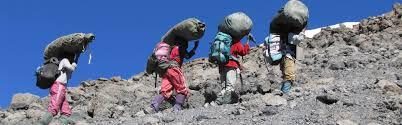
Experienced Kilimanjaro guides play a critical role throughout the climb.
Each day they monitor your condition by:
Checking oxygen saturation with pulse oximeters.
Watching for signs of altitude sickness.
Adjusting the group's pace.
Encouraging regular hydration and meals.
Making safety decisions if someone becomes unwell.
Professional guidance greatly improves both safety and the overall climbing experience.
How to Make Kilimanjaro Easier
Although Kilimanjaro will always be physically demanding, you can improve your chances of success by following a few practical steps:
Choose a 7- or 8-day itinerary.
Train consistently for several weeks before your trip.
Wear properly fitted hiking boots.
Stay hydrated throughout the trek.
Eat enough even when your appetite decreases.
Listen carefully to your guides.
Sleep well before your expedition begins.
Pack quality cold-weather clothing.
Walk slowly and avoid competing with other climbers.
Maintain a positive attitude during difficult moments.
These simple habits often make the difference between turning back early and standing on the Roof of Africa.
Our Experience at Africantrust Safari
From our experience guiding climbers on Mount Kilimanjaro, the people who succeed are not always the fastest or the strongest.
They are usually the climbers who prepare well, respect the altitude, listen to their guides, and remain patient throughout the journey.
Every expedition presents different weather, trail conditions, and personal challenges, but the same principle always applies: slow, steady progress is the safest and most reliable way to reach Uhuru Peak.
With proper planning, experienced guides, and realistic expectations, climbing Kilimanjaro becomes an achievable adventure that rewards you with unforgettable views, personal accomplishment, and memories that last a lifetime.
Africantrust Safari Team
Tanzania safari planning, Kilimanjaro route advice, Zanzibar travel logistics
Travel Experience
Local destination team with first-hand experience operating Tanzania safaris and mountain climbs.
Last Reviewed
Jul 31, 2026
Frequently Asked Questions
For most climbers, the hardest part is summit night. The combination of high altitude, freezing temperatures, darkness, fatigue, and reduced oxygen levels makes the final ascent to Uhuru Peak the most physically and mentally demanding section of the climb.
Many climbers find Kilimanjaro more challenging than expected because of the altitude rather than the terrain. While the trails are non-technical, the reduced oxygen at higher elevations can make even short distances feel difficult.
Summit night usually starts around midnight and involves hiking for several hours in freezing temperatures while breathing thinner air. Fatigue from previous trekking days also adds to the challenge.
Yes. Altitude is the biggest challenge for most climbers. As you climb higher, oxygen levels decrease, making physical activity more demanding and increasing the risk of altitude sickness.
No. Mount Kilimanjaro is a non-technical mountain. You do not need ropes or climbing experience, but you do need good physical preparation and the ability to hike for several consecutive days.
Yes. Thousands of beginners reach Uhuru Peak every year. Choosing the right route, allowing enough time for acclimatization, and climbing with experienced guides greatly improve your chances of success.
The Marangu Route is often considered the most comfortable because it uses mountain huts instead of tents. However, the Lemosho and Northern Circuit routes generally provide better acclimatization and higher summit success rates.
The Northern Circuit Route is widely regarded as having one of the highest summit success rates because it offers the longest acclimatization period. The Lemosho Route also performs very well.
Train before your trip, choose a 7- or 8-day itinerary, walk slowly, stay hydrated, eat enough food, wear proper clothing, and carefully follow your guide's instructions throughout the expedition.
You should have good cardiovascular fitness and be comfortable hiking for several hours over multiple days. Regular hiking, running, cycling, and strength training are excellent preparation.
Temperatures vary dramatically. Lower slopes are warm and tropical, while summit night can bring temperatures well below freezing, often between -10°C and -20°C (14°F to -4°F) depending on weather conditions.
The summit push typically lasts between 6 and 8 hours to reach Uhuru Peak, followed by a descent back to camp for a short rest before continuing farther down the mountain later the same day.
Many climbers experience mild symptoms such as headaches or fatigue. Serious altitude sickness is much less common when climbers follow a gradual itinerary and descend immediately if severe symptoms develop.
"Pole Pole" means "slowly, slowly" in Swahili. Walking at a steady, slow pace helps conserve energy, improves acclimatization, and increases your chances of successfully reaching the summit.
If your guide determines that continuing would be unsafe due to altitude sickness or another medical concern, you will descend to a lower elevation. Your health and safety always take priority over reaching the summit.
Professional guides perform daily health checks, monitor oxygen saturation using pulse oximeters, observe for symptoms of altitude sickness, encourage hydration, and make safety decisions throughout the climb.
Yes. Many climbers in their 50s, 60s, and even older successfully reach Uhuru Peak. Proper preparation, choosing a longer route, and maintaining a steady pace are more important than age.
Properly fitted hiking boots, trekking poles, thermal clothing, a warm down jacket, waterproof layers, insulated gloves, and a quality sleeping bag all contribute to a safer and more comfortable climb.