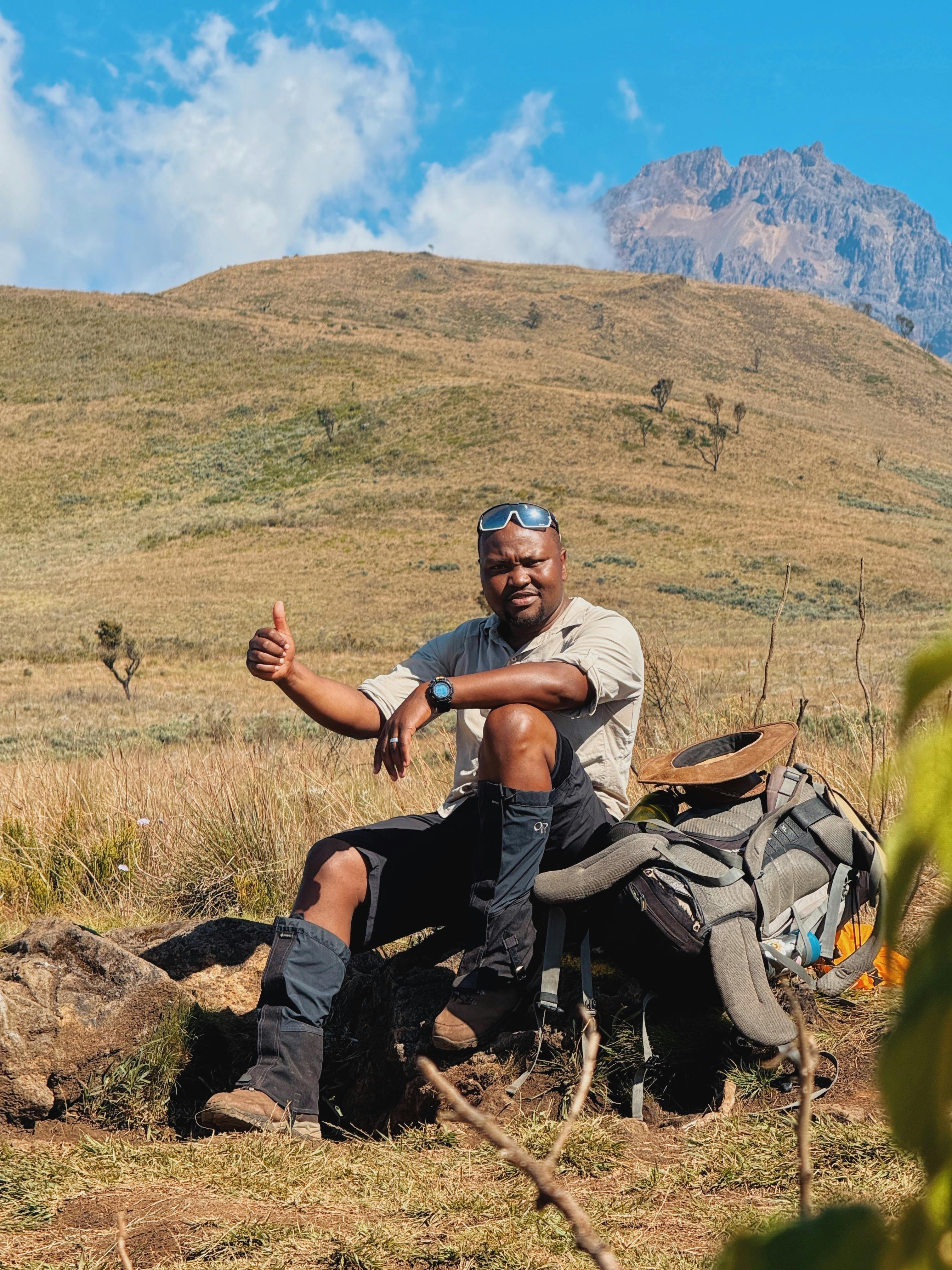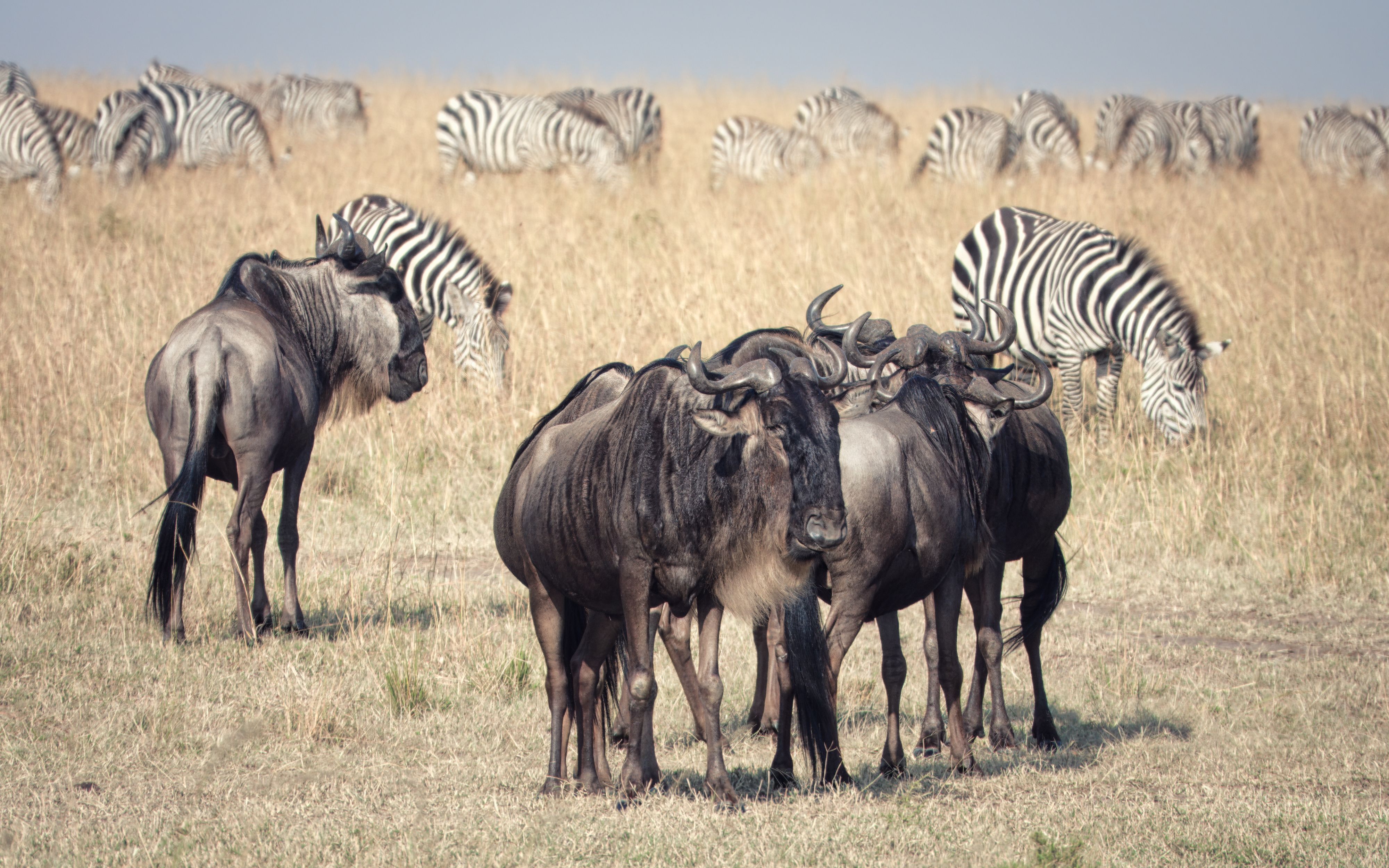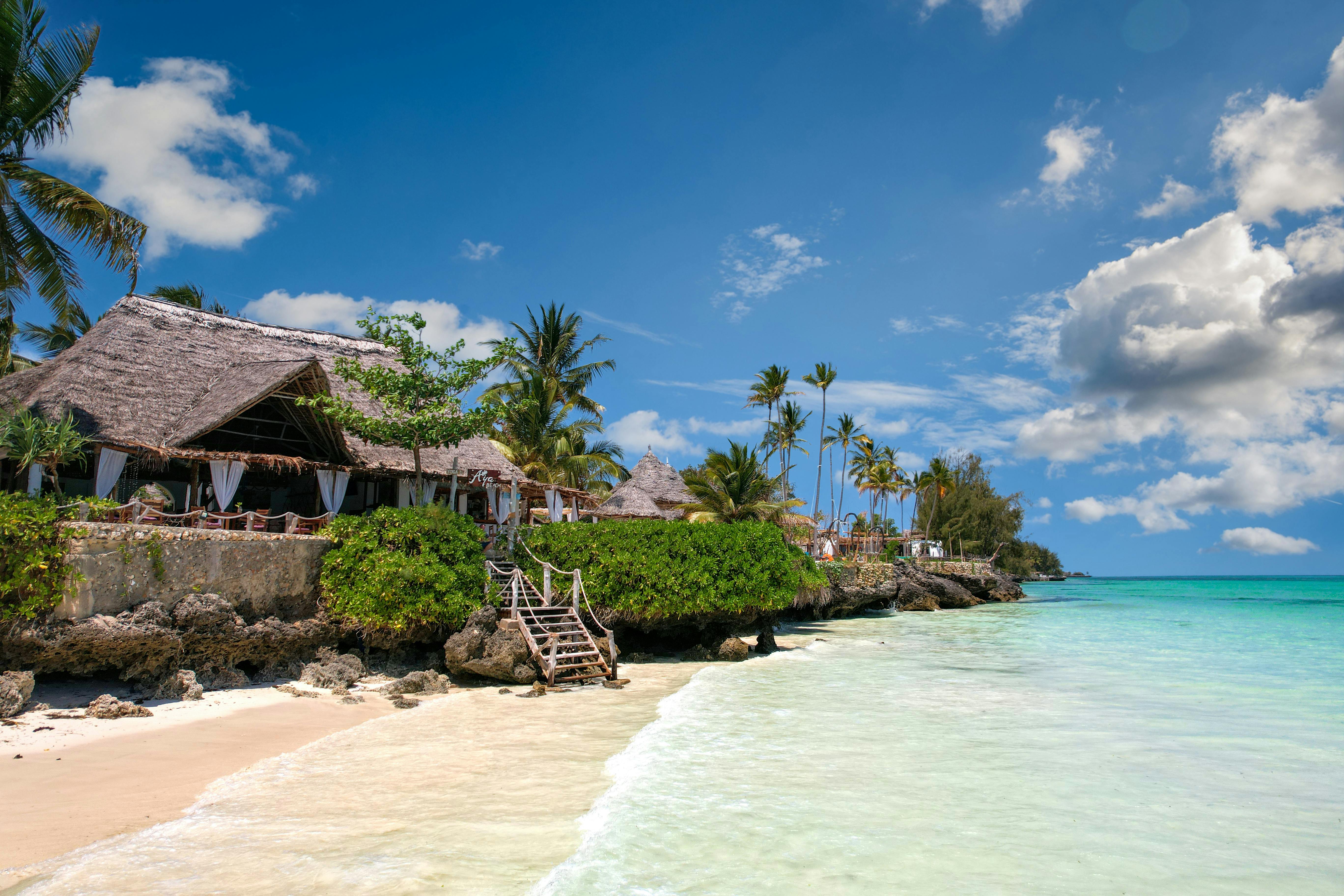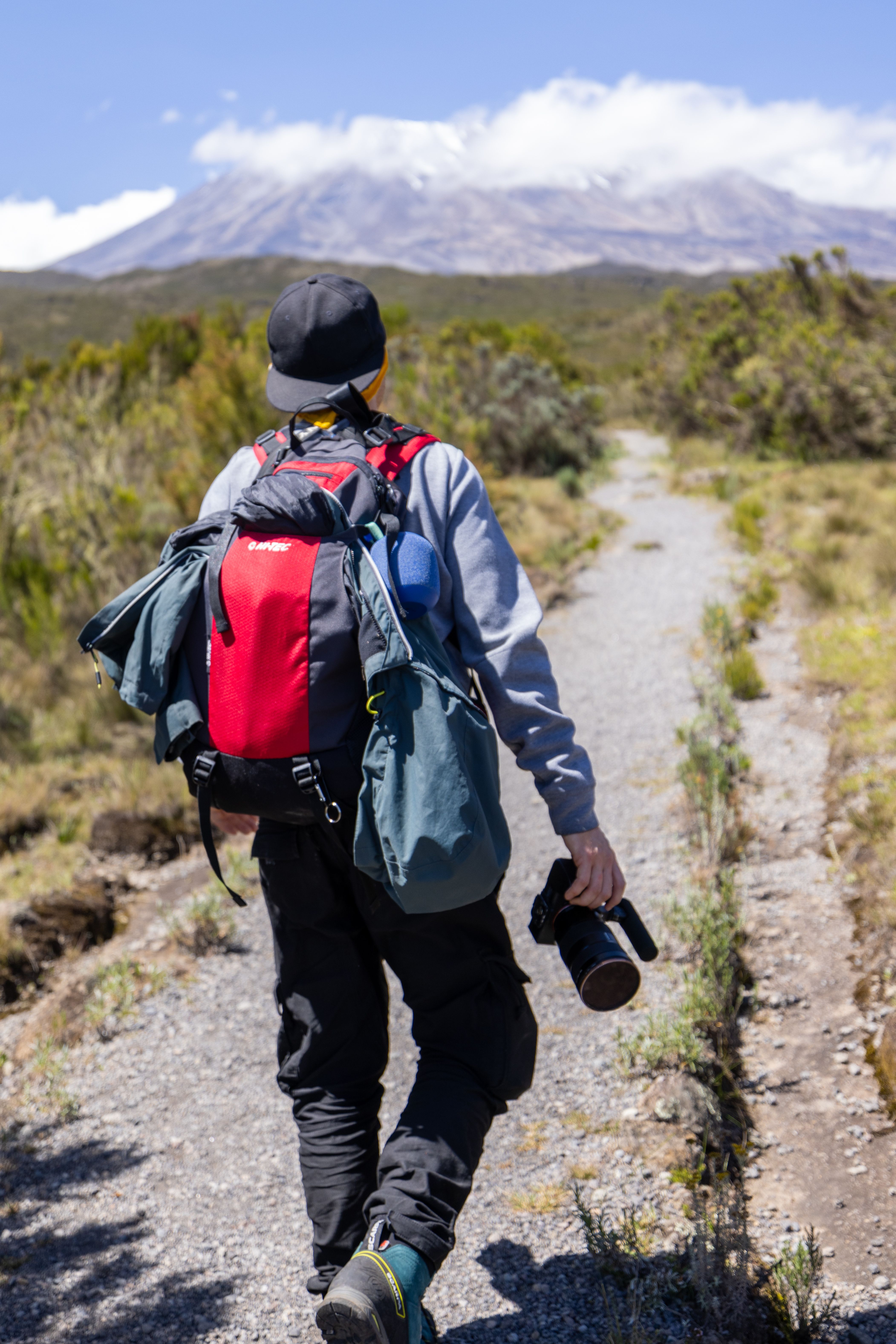
Trek the best and most beautiful Kilimanjaro Route! The Lemosho Route offers the highest summit success rate due to superior acclimatization over 8 days. Join Africantrust Safari for your unforgettable journey to Uhuru Peak via the stunning Shira Plateau and Barranco Wall**.
The Lemosho Route is widely recognized as the most picturesque, remote, and diverse trail on Mount Kilimanjaro. Starting from the Londorossi Gate on the mountain’s western side, this route takes climbers through unspoiled wilderness, dense rainforests filled with colobus monkeys, and open moorlands scattered with giant lobelias and everlasting flowers. Every day on the Lemosho Route reveals a new landscape, making it a favorite among nature lovers and serious trekkers alike.
The trail ascends gradually, providing excellent acclimatization and one of the highest summit success rates among all Kilimanjaro routes. On the second and third days, trekkers cross the stunning Shira Plateau — a vast high-altitude plain offering sweeping views of Kilimanjaro’s Kibo Peak and Mount Meru in the distance. The route later joins the Machame Route near Shira Camp and continues through some of the most dramatic landscapes of the mountain, including the famous Lava Tower, Barranco Wall, and Karanga Valley.
Unlike other routes, Lemosho begins with a few days of solitude through pristine forest and moorland before meeting other climbers near Shira. This peaceful start, combined with a gradual ascent profile, makes it perfect for trekkers who want a less crowded, more natural, and rewarding climb. The route is also ideal for photographers and adventurers who want to capture Kilimanjaro’s full ecological diversity — from tropical rainforest to arctic summit.
The Lemosho Route can be completed in 7 or 8 days, with the 8-day option allowing more time for acclimatization and a greater chance of reaching the summit successfully. Climbers ascend via the Barafu Camp route to reach Uhuru Peak (5,895m), the highest point in Africa, before descending through the scenic Mweka Gate.
Experience the best of Kilimanjaro trekking in Tanzania with AfricanTrust Safari trusted local guides, top-quality equipment, delicious mountain meals, and personalized support from start to summit.
| Duration | 7–8 Days (Recommended 8 Days for Better Acclimatization) |
|---|---|
| Difficulty Level | Moderate to Challenging Suitable for beginners with good fitness |
| Starting Point | Londorossi Gate (Western Kilimanjaro) |
| Ending Point | Mweka Gate (Southern Base) |
| Highest Point | Uhuru Peak–5,895 meters (19,341 ft) |
| Best Seasons | June to October & December to February (Dry and Clear Months) |
| Accommodation | Mountain tents (high-quality 4-season tents provided by AfricanTrust Safari) |
| Success Rate | Approx. 90% (High success due to gradual ascent and rest days) |
| Scenery | Lush rainforest, moorland, alpine desert, glaciers, and breathtaking summit views |
The Lemosho Route offers a truly immersive Kilimanjaro trekking experience. It begins with a scenic drive through local villages and coffee farms on the way to Londorossi Gate. Climbers often spot buffalos, colobus monkeys, and even elephants in the forest during the early stages. As you ascend, you’ll hike across the Shira Plateau an ancient volcanic caldera — before heading toward the rugged alpine zone. The trek is designed to follow the “climb high, sleep low” principle, allowing your body to adjust gradually to the altitude.
Trekkers typically reach the summit via an early morning ascent from Barafu Camp. As you climb through the darkness, the first rays of sunrise illuminate the glaciers, revealing a magical landscape few places on Earth can match. Standing atop Uhuru Peak, gazing over the African plains below, is a truly unforgettable reward.
At Africantrust Safari, our professional mountain guides, experienced chefs, and dedicated porters ensure every aspect of your journey is safe, comfortable, and memorable. We provide high-quality camping gear, nutritious mountain meals, and personalized support making your dream of summiting Kilimanjaro a reality.
Choosing the right Kilimanjaro climbing route can make all the difference between success and struggle. The Lemosho Route is designed for trekkers who value scenic beauty, gradual acclimatization, and a more private wilderness experience. Here’s who should consider it.
The Lemosho Route offers the most spectacular panoramic views on Mount Kilimanjaro. From dense rainforest trails filled with wildlife to the open plains of the Shira Plateau, trekkers enjoy unmatched scenery at every elevation zone. Perfect for photographers and nature lovers who want to experience the mountain’s raw beauty from every angle.
With a gradual altitude gain and several rest days, the Lemosho Route gives climbers more time to adapt to high altitudes naturally. Its “climb high, sleep low” design significantly boosts your chances of successfully reaching Uhuru Peak (5,895m) while reducing the risk of altitude sickness.
Ideal for travelers who prefer a quieter and more exclusive experience. The Lemosho Route’s remote western approach means fewer crowds and greater serenity during the first few days of the trek. This makes it a top choice for private groups, families, or couples looking for adventure in peace.
Although moderately challenging, the Lemosho Route is well-suited for first-time climbers who are physically active and enjoy multi-day hiking. The longer route duration allows your body to recover and adapt, making it one of the safest and most successful routes for new trekkers.
With golden sunsets over the Shira Ridge, endless alpine views, and the chance to capture wildlife in their natural habitats, this route is a dream for landscape photographers and nature documentarians. The ever-changing scenery provides new perspectives daily.
The Lemosho Route passes through protected forest zones and conservation areas that remain untouched by mass tourism. Trekkers who care about sustainability and responsible travel love this route for its balance between ecological preservation and authentic adventure.
In short, the Lemosho Route is perfect for trekkers who want to enjoy the best scenic Kilimanjaro experience, excellent acclimatization, and fewer crowds. Whether you’re climbing solo, with friends, or in a private group, AfricanTrust Safari ensures a safe, successful, and unforgettable adventure.
Book the Lemosho Route with Africantrust SafariUnderstanding how long the Lemosho Route takes, how challenging it is, and what makes it special helps climbers prepare both physically and mentally. Below is everything you need to know before booking your Kilimanjaro adventure with AfricanTrust Safari.
The Lemosho Route can be completed in either 7 or 8 days, with the 8-day itinerary being the most recommended for better acclimatization and a higher summit success rate. The first two days are spent trekking through pristine rainforest, followed by the expansive Shira Plateau and dramatic alpine landscapes.
The total distance of the route is approximately 70 km (43 miles) from Londorossi Gate to Mweka Gate. Each day involves 5–8 hours of hiking depending on terrain and altitude gain. Climbers reach a maximum elevation of 5,895m (Uhuru Peak), with steady altitude gains that give the body ample time to adjust.
The Lemosho Route is ideal for those looking for a well-paced adventure — not too fast, not too slow — balancing challenge and safety perfectly. With professional guides from AfricanTrust Safari, you’ll hike at a steady rhythm, rest at beautiful campsites, and gain confidence as you ascend the mountain.
Every Kilimanjaro route has its advantages, but the Lemosho Route is consistently rated as the best overall route for trekkers who want a blend of scenery, acclimatization, and adventure. Here’s why thousands of climbers choose it every year:
| Route | Duration | Difficulty | Scenery | Success Rate |
|---|---|---|---|---|
| Lemosho | 7–8 Days | Moderate | ★★★★★ (Most Scenic) | High (≈90%) |
| Machame | 6–7 Days | Challenging | ★★★★☆ | 80–85% |
| Marangu | 5–6 Days | Moderate | ★★★☆☆ | 70–75% |
| Rongai | 6–7 Days | Moderate | ★★★★☆ | 80–85% |
When compared with other routes, the Lemosho Route stands out as the most scenic, safest, and most rewarding route to climb Mount Kilimanjaro.
Experience the perfect combination of challenge, comfort, and natural beauty on the Lemosho Route. Let AfricanTrust Safari guide you safely to the summit of Mount Kilimanjaro with expert mountain crews, top-quality gear, and years of experience.
Book Via Email Book Via WhatsAppThe Lemosho Route offers the perfect blend of stunning landscapes, wildlife encounters, and awe-inspiring views on the journey to the summit of Mount Kilimanjaro. From dense rainforests to high-altitude deserts and the icy summit, every step along the Lemosho trail is a story of adventure, endurance, and beauty.
The Lemosho Route begins at Londorossi Gate (2,100m) on the western side of Kilimanjaro. This region is teeming with colobus monkeys, blue monkeys, and exotic birds that greet climbers as they trek through lush rainforest. The air is humid and alive with jungle sounds, providing an unforgettable start to the climb. Trekkers often describe this day as a "walk through paradise" before ascending into moorlands.
On the second and third days, the trail opens up into the spectacular Shira Plateau (3,500–3,900m). This ancient volcanic landscape offers panoramic views of Mount Meru in the distance and Kilimanjaro’s majestic snow-capped summit ahead. The high plains of Shira are among the most beautiful alpine regions in Africa, a perfect place for photography, sunsets, and acclimatization hikes. Camp at Shira 1 and Shira 2 while feeling the crisp mountain air.
Midway through the climb, trekkers ascend to the famous Lava Tower (4,630m), a towering volcanic formation that serves as both a landmark and an excellent acclimatization point. The trail then descends into the lush Barranco Valley, surrounded by giant senecio plants and surreal scenery straight out of a movie. This section embodies the phrase “climb high, sleep low,” a key acclimatization principle for summit success.
Known as the “Breakfast Wall,” the Barranco Wall is one of the most memorable parts of the Lemosho Route. This steep but non-technical climb rewards trekkers with breathtaking views over the Barranco Valley and Kilimanjaro glaciers. Despite its intimidating appearance, the ascent is safe and enjoyable, a true adventure highlight that leaves every climber proud and exhilarated at the top.
After conquering the Barranco Wall, trekkers reach Karanga Camp (3,995m), one of the most scenic and peaceful spots on the mountain. This camp offers wide views of Kibo’s glacial peaks and the deep valleys below. It’s also the perfect place to rest, rehydrate, and mentally prepare for the push to high camp. The sunsets and starry nights here are truly magical.
The final challenge begins at Barafu Camp (4,673m) just before midnight. Climbers ascend slowly through the freezing night under a canopy of stars toward the summit. Reaching Stella Point (5,756m) at dawn, you’ll be rewarded with a spectacular sunrise over the African horizon, one of the world’s most inspiring views. A short final push leads to Uhuru Peak (5,895m), the Roof of Africa, where climbers celebrate their achievement with photos, joy, and unforgettable emotion.
The Lemosho Route combines stunning scenery, rich biodiversity, and a real sense of wilderness. With AfricanTrust Safari, you’ll experience every highlight in comfort and safety, guided by passionate local experts who know Kilimanjaro better than anyone.
Book Via Email Book via WhatsAppThe Lemosho Route begins on the remote western slopes of Mount Kilimanjaro and ends on its southern side. This unique approach provides climbers with an unspoiled wilderness experience during the first days and a scenic descent through the lush Mweka rainforest — a perfect combination of adventure, acclimatization, and natural diversity.
The Lemosho Route officially begins at Londorossi Gate, located on the western side of Mount Kilimanjaro. The gate lies about 2 to 3 hours’ drive from Moshi or 2.5 hours from Arusha, passing through local villages and scenic coffee plantations of the Shira Ridge region.
At this point, climbers register with the Kilimanjaro National Park Authority (KINAPA) before entering the dense rainforest zone. The first section of the trek involves a steady climb through thick jungle trails filled with black-and-white colobus monkeys, blue monkeys, and vibrant tropical birdlife.
After summiting Uhuru Peak (5,895m) and descending through Barafu Camp and Mweka Camp, climbers complete their journey at Mweka Gate. This is the official exit point for trekkers descending via the southern route, known for its lush green rainforest and birdlife.
Upon arrival, climbers sign out at the park office and receive their Kilimanjaro climbing certificates, a well-earned recognition of reaching the highest point in Africa. Mweka Gate also serves as a meeting point where Africantrust Safari vehicles await to transfer climbers back to their hotels in Moshi.
The Lemosho Route begins in the west at Londorossi Gate, traverses across the stunning Shira Plateau, merges with the Machame Route near Lava Tower, and descends through the Mweka Route on the mountain’s southern slope, creating a scenic and complete west-to-south traverse of Kilimanjaro.
Map illustration: Showing Londorossi Gate (Start) → Shira Plateau → Barranco → Karanga → Barafu → Uhuru Peak → Mweka Gate (End).
Start your climb at Londorossi Gate and end your victory at Mweka Gate with Africantrust Safari, the experts in safe, sustainable, and unforgettable Lemosho Route expeditions.
Book Via Email Book Via WhatsAppThe Lemosho Route is widely recognized as one of the most scenic trails on Mount Kilimanjaro, offering a full ecological and climatic transition from lush tropical rainforest to arctic ice fields. As climbers ascend, the landscape evolves dramatically through five distinct vegetation zones, each with its own microclimate, wildlife, and visual splendor.
The journey begins in the dense Montane Rainforest, an enchanting world filled with towering trees, vibrant mosses, and rich biodiversity. This zone receives the highest rainfall on Kilimanjaro and maintains a warm, humid climate.
As you ascend above the rainforest, the landscape opens into rolling hills and moorlands. The air becomes cooler and drier, with tall grasses, giant heathers, and the famous giant lobelias (Lobelia deckenii) scattered across the slopes.
This zone is stark, dry, and breathtaking. The vegetation becomes sparse, with volcanic rocks, lava ridges, and sand-like soil dominating the terrain. The air is thin, UV radiation is intense, and temperatures fluctuate drastically between day and night.
The final zone of Kilimanjaro is the Arctic Zone, an extreme environment of ice, rock, and snow. Oxygen levels drop to less than 50% of sea level, and the temperature can plunge below freezing at any hour of the day.
| Zone | Altitude Range (m) | Temperature Range (°C) | Main Vegetation | Key Features |
|---|---|---|---|---|
| Rainforest | 1,800 – 2,800 | 15–25 | Camphor trees, ferns | Humid, green forest with monkeys and birds |
| Heath & Moorland | 2,800 – 4,000 | 10–20 | Heather, Lobelias | Open slopes and stunning Shira Plateau |
| Alpine Desert | 4,000 – 5,000 | 5–15 (Day) / -5 (Night) | Grasses, lichens | Dry, rocky terrain with wide views |
| Arctic Summit | 5,000 – 5,895 | -10 to -20 | None | Snow, ice, and glaciers – summit area |
The Lemosho Route allows you to experience every ecosystem of Kilimanjaro — from lush jungle to glacial peaks. This slow, scenic route maximizes your acclimatization and enjoyment of Africa’s most iconic mountain.
Book Via Email Book Via WhatsAppAlong the Lemosho Route, climbers stay in a series of designated public mountain campsites managed by the Kilimanjaro National Park Authority (KINAPA). Each camp is located at a different altitude to ensure gradual acclimatization and scenic variety. The route offers tented camping accommodation, a true wilderness experience with panoramic views, star-filled skies, and the sounds of nature all around.
The first campsite on the Lemosho Route, Mti Mkubwa Camp (meaning “Big Tree” in Swahili), lies deep within the lush rainforest zone at approximately 2,780 meters. It’s a tranquil and shaded campsite surrounded by tall trees and tropical vegetation.
Shira 1 Camp sits at the western edge of the famous Shira Plateau, offering the first open views of Kilimanjaro’s summit. Located at around 3,500 meters, this camp transitions from forest to moorland, where heathers and lobelias dominate the landscape.
At 3,850 meters, Shira 2 Camp provides expansive views across the plateau and acts as an excellent acclimatization point. This is often where trekkers join the Machame Route climbers.
Barranco Camp, located at approximately 3,960 meters, sits below the famous Barranco Wall and is considered one of Kilimanjaro’s most scenic campsites. The views of the Southern Icefield and Kibo Peak are absolutely breathtaking.
Karanga Camp rests at about 4,035 meters, perched above the Karanga Valley. This is a crucial acclimatization stop before the final ascent to the summit zone. Trekkers often enjoy stunning sunsets and star-studded skies from this elevated campsite.
Barafu Camp, at approximately 4,640 meters, is the final base before summiting Kilimanjaro. The name “Barafu” means “ice” in Swahili, fitting for this cold, rocky, and wind-swept landscape.
Understanding the Lemosho Route before you climb Mount Kilimanjaro helps ensure the best preparation and experience. Below is a detailed overview of how hard this route is, the best time to climb, and how the 7-day, 8-day, and 9-day itineraries compare in terms of difficulty, acclimatization, and experience.
| Difficulty Aspect | Level | Details & Tips |
|---|---|---|
| Physical Fitness | Moderate to Challenging | Requires good endurance and cardiovascular health. Expect 6–9 hours of trekking per day, with some steep sections on summit night. |
| Altitude Acclimatization | Excellent | The Lemosho Route provides one of the best acclimatization profiles on Kilimanjaro, with gradual elevation gain and two nights at mid-altitude camps for adaptation. |
| Trail Conditions | Varied Terrain | Begins in lush rainforest, transitions to alpine desert, and ends with a snow-covered summit approach. Trails are mostly stable but can be slippery when wet. |
| Weather Challenges | Moderate | Weather can change rapidly. Morning hikes are usually clear, while afternoons may bring fog or rain at lower elevations. |
| Summit Success Rate | Very High (85–95%) | The longer duration allows better acclimatization, giving climbers a high chance of reaching Uhuru Peak successfully. |
| Technical Difficulty | Low | No technical climbing gear is required, it’s a trek, not a climb. Proper hiking boots and layered clothing are sufficient. |
Kilimanjaro can be climbed year-round, but some months offer clearer skies and more comfortable temperatures. Below is a breakdown of when to plan your adventure:
| Season | Months | Weather & Conditions | Booking Recommendation |
|---|---|---|---|
| High Season (Best) | June – October | Clear skies, dry trails, and excellent visibility. Perfect for photography and summit success. | Book 3–6 months in advance as it’s the busiest period. |
| Second Best Season | December – February | Warmer weather with occasional clouds. Fewer climbers compared to June–October. | Book 2–4 months in advance for good availability. |
| Shoulder Season | March & November | Some rainfall possible, but quieter and peaceful on the mountain. Good for experienced hikers. | Book 1–2 months in advance if flexibility allows. |
| Rainy Season (Least Ideal) | April – May | Wet and slippery trails, limited visibility, but lush vegetation. Fewer climbers. | Book close to travel dates, best for budget climbers. |
The Lemosho Route can be completed in 7, 8, or 9 days. The longer the itinerary, the better the acclimatization and summit success rate. Here’s a detailed comparison to help you choose the best option for your fitness, time, and budget.
| Feature | 7-Day Lemosho Route | 8-Day Lemosho Route | 9-Day Lemosho Route |
|---|---|---|---|
| Total Days | 7 | 8 | 9 |
| Summit Success Rate | 80–85% | 90–95% | 95–98% |
| Acclimatization | Good | Excellent | Outstanding (Best for high-altitude adaptation) |
| Recommended For | Fit and experienced trekkers with limited time. | Average trekkers seeking balance of comfort and success. | Leisure trekkers, photographers, or those sensitive to altitude. |
| Physical Challenge | High | Moderate | Moderate to Low (more rest days) |
| Approx. Cost | $2,200 – $2,600 | $2,400 – $2,900 | $2,600 – $3,100 |
| Route Experience | Fast-paced, scenic but demanding. | Balanced pace, scenic, and comfortable. | Very relaxed, full scenic immersion, best photo opportunities. |
| Popularity | Moderate | Very Popular | Less Common (for serious adventurers) |
Among all Kilimanjaro routes, the Lemosho Route is often described as the most scenic, well-balanced, and successful path to reach the summit. Here’s why many climbers and travel experts consider it the ultimate choice for conquering Africa’s highest mountain.
The Lemosho Route traverses multiple landscapes — lush rainforest, moorland, alpine desert, and glacier summit. Enjoy panoramic views of the Shira Plateau, Barranco Valley, and Kilimanjaro’s iconic icefields.
Designed with gradual altitude gain, the Lemosho Route provides trekkers ample time to adapt — significantly reducing altitude sickness risks and increasing summit success rates up to 95%.
Unlike Machame or Marangu routes, Lemosho is quieter and more private, allowing for a peaceful experience surrounded by untouched wilderness and abundant wildlife at lower elevations.
Thanks to its length and design, climbers who choose 8 or 9-day itineraries on the Lemosho Route enjoy one of the highest success rates of all Kilimanjaro routes.
The variety of scenery, wildlife sightings (colobus monkeys, buffalo, birds), and dramatic sunrise summit views make this route a paradise for photographers and nature enthusiasts.
Lemosho is perfect for trekkers seeking adventure without extreme difficulty — it combines scenic beauty, moderate challenge, and well-paced acclimatization days.
At AfricanTrust Safari, we believe that climbing Mount Kilimanjaro is not just about reaching the summit, but about creating an unforgettable experience filled with comfort, safety, and authentic Tanzanian hospitality.
Our experienced, government-licensed guides are Kilimanjaro veterans who have led hundreds of successful summits. They prioritize your safety and motivation from start to finish.
We use modern mountain tents, comfortable sleeping mats, private toilet tents, and spacious dining setups — ensuring maximum comfort at every campsite.
Our mountain chefs prepare delicious, energy-rich meals daily — including vegetarian and vegan options — to keep you strong throughout the climb.
We support our porters with fair wages, proper equipment, and insurance. We are proud members of KPAP (Kilimanjaro Porters Assistance Project).
Over 95% of our climbers reach the summit and leave glowing reviews. Your happiness and safety are our top priorities.
As a proudly Tanzanian company based in Moshi, we blend deep local knowledge with international service standards — ensuring a seamless, authentic experience.
Here are the most common questions climbers ask before booking their Lemosho Route trek. Feel free to contact us if you have more!
Choose your perfect Kilimanjaro adventure – scenic, rewarding, and unforgettable.
The 6-day Lemosho Route offers one of the most scenic and less crowded approaches to Mount Kilimanjaro. Ideal for experienced and fit trekkers seeking an adventurous climb with limited time. This route provides stunning views across the Shira Plateau, dramatic landscapes, and a chance to summit Africa’s highest peak — Uhuru Peak — through the famous Barranco Wall and Barafu Camp.
The 7-day Lemosho Route is ideal for climbers seeking a challenging yet rewarding experience. Perfect for fit adventurers who want to conquer Kilimanjaro in a shorter time without compromising breathtaking views of the Shira Plateau and Barranco Valley.
The 8-day Lemosho Route is the most popular itinerary, offering the perfect balance between acclimatization and adventure. It’s the best choice for trekkers wanting to maximize summit success while enjoying stunning panoramas and comfortable altitude adjustment.
The 9-day Lemosho Route is designed for serious trekkers who want the highest summit success rate and more time to enjoy every landscape. With extended acclimatization and additional rest days, it’s the ultimate luxury adventure to Uhuru Peak.
Join Africantrust Safari for thrilling wildlife encounters, majestic landscapes, and unforgettable experiences. One click is all it takes to start your adventure.