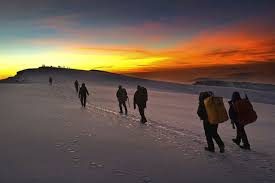
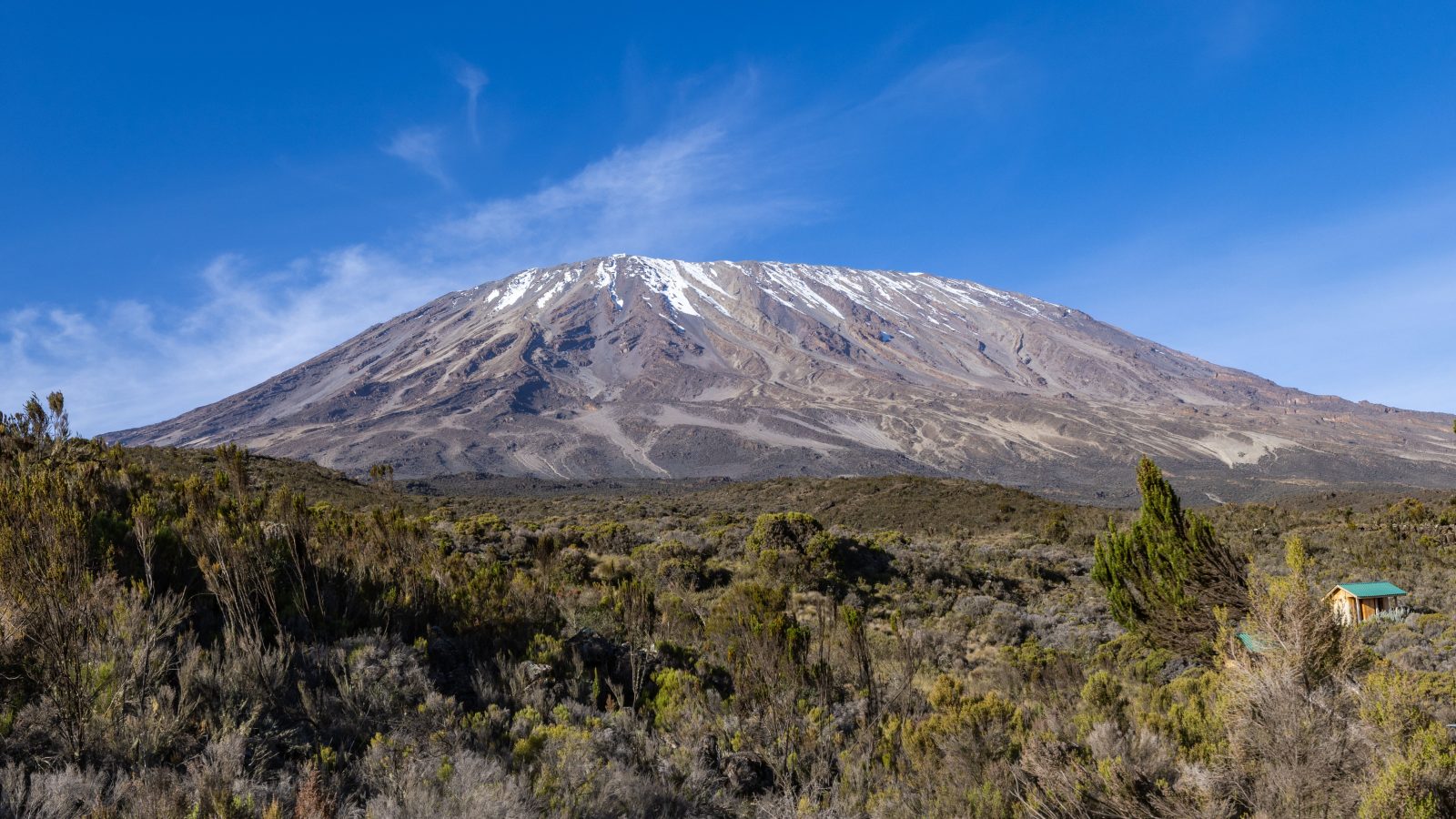
Mount Kilimanjaro is one of the world's most famous trekking destinations, attracting tens of thousands of climbers every year who travel to Tanzania to stand on Uhuru Peak (5,895 meters / 19,341 feet). Because it is the highest mountain in Africa, many travelers naturally ask an important question before booking their adventure:
How many people have died climbing Mount Kilimanjaro?
Although Kilimanjaro is considered one of the safest high mountains to climb because it requires no technical mountaineering skills, fatalities do occur every year. Most deaths are linked to high-altitude illness and underlying medical conditions, not falls or climbing accidents. Understanding the risks—and how to reduce them—is one of the best ways to prepare for a safe and successful expedition.
Is There an Official Number of Deaths on Kilimanjaro?
There is no single publicly maintained official database that records every death on Mount Kilimanjaro. However, estimates reported by park authorities, trekking organizations, and experienced operators generally indicate that approximately 3 to 10 climbers die on Kilimanjaro each year. Considering that tens of thousands of people attempt the climb annually, fatalities are relatively uncommon, especially when compared with many technical mountains.
Because reporting methods differ and not every incident is publicly documented, the exact number can vary from year to year.
What Causes Most Deaths on Kilimanjaro?
The leading cause of fatalities on Mount Kilimanjaro is altitude-related illness. As climbers ascend, oxygen levels decrease significantly. If the body does not have enough time to acclimatize, serious conditions such as High Altitude Cerebral Edema (HACE) or High Altitude Pulmonary Edema (HAPE) can develop.
Other contributing factors include:
Rapid ascent without adequate acclimatization.
Ignoring early symptoms of altitude sickness.
Pre-existing heart or respiratory conditions.
Severe dehydration.
Extreme exhaustion.
Rare accidents caused by slips, falls, or changing weather conditions.
Most of these risks can be reduced through proper preparation, experienced guides, and choosing an itinerary that allows sufficient time for acclimatization.
Is Climbing Kilimanjaro Dangerous?
Mount Kilimanjaro is challenging because of its high altitude, not because it requires technical climbing skills. No ropes, ice axes, or rock-climbing experience are needed on the standard routes.
For healthy travelers who climb with a licensed operator, follow their guide's instructions, maintain a slow pace, stay hydrated, and choose a longer itinerary, Kilimanjaro is generally considered a safe adventure.
Why Route Choice Matters
One of the biggest factors influencing safety is the number of days spent on the mountain.
Short itineraries reach high elevations quickly, giving the body less time to adapt. Longer routes such as the Lemosho Route, Machame Route, and Northern Circuit Route provide gradual acclimatization and are associated with higher summit success rates and a lower risk of altitude-related problems.
Many experienced guides recommend 7 or 8-day itineraries rather than attempting the shortest available schedules.
How Professional Guides Help Keep Climbers Safe
Licensed Kilimanjaro guides monitor climbers throughout the expedition. Reputable operators perform daily health checks, monitor oxygen saturation using pulse oximeters, observe for symptoms of altitude sickness, and carry emergency oxygen and first-aid equipment.
If a climber develops serious symptoms, guides immediately begin descending to lower altitude, which is the most effective treatment for severe altitude illness.
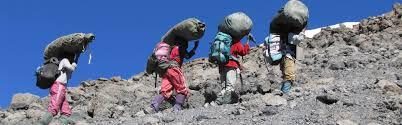
Choosing a responsible operator with trained guides and fair porter practices is one of the most important safety decisions you can make before climbing Kilimanjaro.
How to Reduce Your Risk on Kilimanjaro
You can greatly improve your safety by following a few practical recommendations:
Choose a 7- or 8-day itinerary for better acclimatization.
Climb with an experienced, licensed Kilimanjaro operator.
Walk slowly and follow the guide's pace.
Drink plenty of water throughout the trek.
Tell your guide immediately if you experience headache, nausea, dizziness, or unusual fatigue.
Train before your trip with hiking and cardiovascular exercise.
Purchase travel insurance that covers high-altitude trekking and emergency evacuation.
Rent or bring quality trekking equipment suitable for cold, high-altitude conditions.
Our Experience at Africantrust Safari
As a Tanzania-based Kilimanjaro operator, we believe that reaching the summit is never more important than returning home safely. Every expedition is planned with acclimatization, experienced mountain guides, daily health monitoring, and responsible decision-making as the highest priorities.
We encourage climbers to select longer routes, prepare well before arrival, and communicate openly with their guides throughout the journey. While no mountain is entirely without risk, careful planning and professional support make Mount Kilimanjaro a rewarding adventure for thousands of climbers every year.
The goal is not simply to reach Uhuru Peak—it is to enjoy the journey safely, responsibly, and with confidence.
Africantrust Safari Team
Tanzania safari planning, Kilimanjaro route advice, Zanzibar travel logistics
Travel Experience
Local destination team with first-hand experience operating Tanzania safaris and mountain climbs.
Last Reviewed
Jul 31, 2026
Frequently Asked Questions
There is no single official public database recording every fatality on Mount Kilimanjaro. However, estimates commonly reported by experienced operators and park-related sources suggest that approximately 3 to 10 climbers die each year. Considering that tens of thousands of people attempt the climb annually, fatalities are relatively uncommon.
Mount Kilimanjaro is generally considered safe for healthy travelers who climb with a licensed operator. The main challenge is high altitude rather than technical climbing. Proper acclimatization, experienced guides, and following safety procedures greatly reduce the risks.
The greatest risk is altitude sickness, which occurs when the body cannot adjust to lower oxygen levels at high elevations. Choosing a longer route and climbing slowly are the best ways to reduce this risk.
Most fatalities are linked to severe altitude-related illnesses such as High Altitude Cerebral Edema (HACE) and High Altitude Pulmonary Edema (HAPE), as well as underlying medical conditions. Technical climbing accidents are uncommon on the standard routes.
Routes with longer acclimatization schedules, such as the Lemosho Route, Machame Route, and Northern Circuit Route, are generally considered safer because they allow your body more time to adjust to the altitude.
Yes. Seven- and eight-day itineraries significantly improve acclimatization, reduce the likelihood of altitude sickness, and increase summit success compared with shorter climbs.
Yes. Professional Kilimanjaro guides regularly check climbers for symptoms of altitude sickness, monitor oxygen saturation using pulse oximeters, assess overall health, and make safety decisions throughout the expedition.
If symptoms become severe, the guide will begin an immediate descent to a lower altitude. Descending is the most effective treatment for serious altitude illness, and reputable operators carry emergency oxygen and first-aid equipment.
Yes. Kilimanjaro National Park has rescue procedures in place. Depending on the situation, injured or seriously ill climbers may be evacuated by stretcher, specialized rescue vehicles where available, or helicopter services coordinated through emergency providers.
Yes. Comprehensive travel insurance that covers high-altitude trekking, emergency evacuation, and medical expenses is strongly recommended before climbing Mount Kilimanjaro.
Mild altitude sickness symptoms such as headaches or fatigue are fairly common. Serious altitude illness is much less common and can usually be prevented by proper acclimatization and following your guide's advice.
Choose a longer itinerary, walk slowly, stay hydrated, eat well, train before your trip, report symptoms immediately, and climb with an experienced, licensed operator.
A good level of cardiovascular fitness and the ability to hike for several consecutive days are recommended. Physical preparation improves comfort and increases your chances of reaching the summit.
Yes. Many climbers in their 50s, 60s, and even older successfully reach Uhuru Peak. Good preparation, medical clearance when appropriate, and choosing a suitable route are more important than age alone.
Yes. The minimum age permitted is generally 10 years, although guides recommend that younger climbers have strong fitness, hiking experience, and proper preparation.
Weather can affect trail conditions, temperatures, and visibility. Choosing one of the recommended climbing seasons helps improve comfort and overall climbing conditions.
Price should not be the only factor. Safety standards, guide experience, group size, emergency equipment, ethical porter treatment, and client reviews are all important when selecting an operator.
Many reputable operators carry emergency oxygen cylinders, first-aid kits, and pulse oximeters as part of their standard mountain safety equipment.
The most popular climbing seasons are January to March and June to October, when weather conditions are generally drier and trail conditions are more favorable.
There is no guaranteed way to prevent altitude sickness, but choosing a longer route, ascending gradually, staying hydrated, eating well, and listening to your guide greatly reduce the risk.
Summit success varies by route and itinerary. Longer routes with better acclimatization generally achieve much higher success rates than shorter climbs.