One of the most common questions travelers ask when planning a Mount Kilimanjaro expedition is, "How many days does it take to climb Kilimanjaro?" The answer depends on the route you choose, your fitness level, your acclimatization needs, and your overall travel goals.
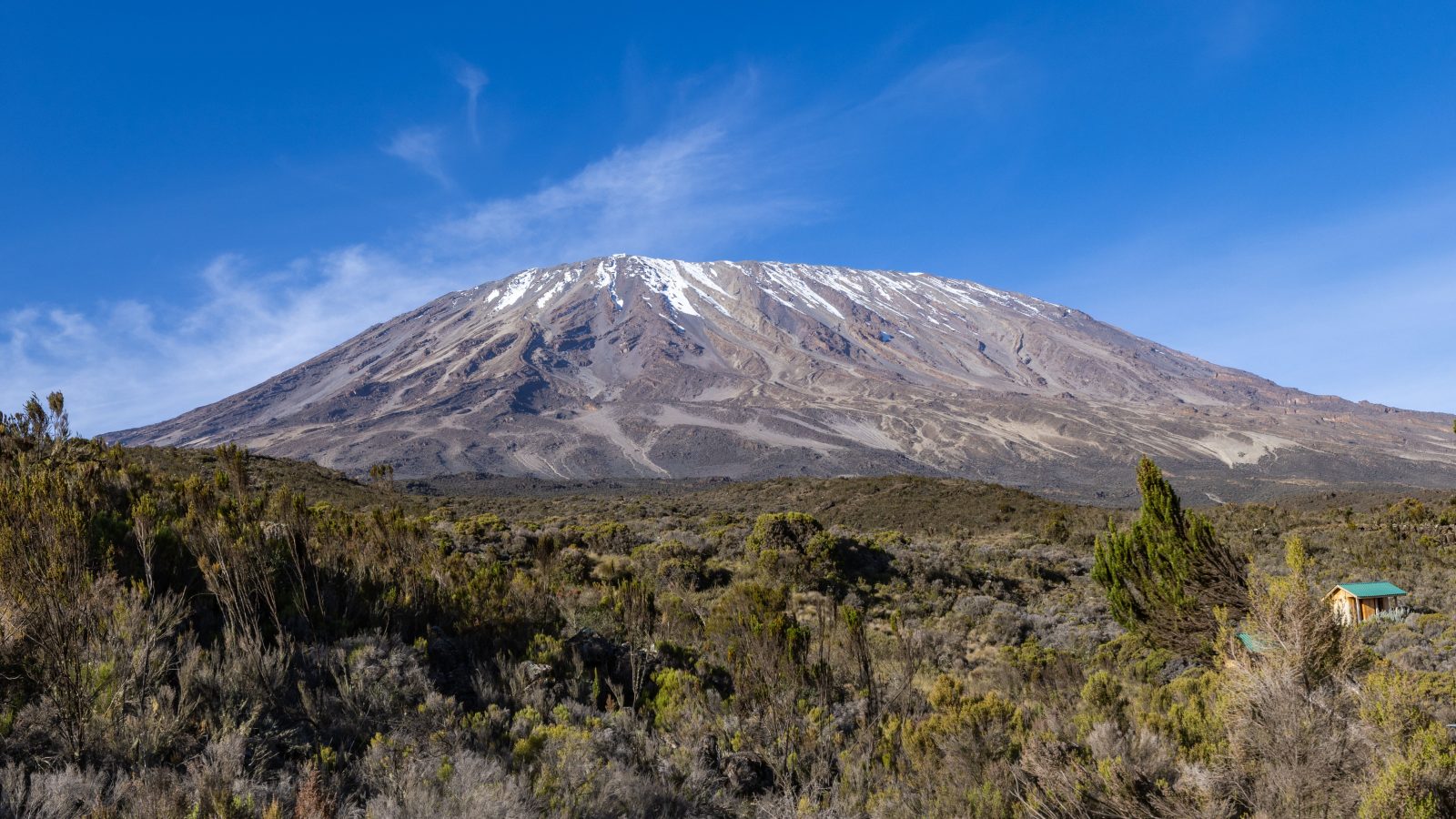
Although it is technically possible to reach the summit in as little as five days, experienced mountain guides strongly recommend spending at least seven days on the mountain. A longer itinerary allows your body more time to adjust to the high altitude, significantly increasing your chances of reaching Uhuru Peak (5,895 meters / 19,341 feet) safely and comfortably.
As a Tanzania-based Kilimanjaro operator, Africantrust Safari has guided climbers from around the world using all of the major routes. Our experience consistently shows that travelers who choose 7- or 8-day itineraries enjoy better acclimatization, lower risk of altitude sickness, and higher summit success rates than those attempting shorter climbs.
Kilimanjaro Route Durations
Each Kilimanjaro route has a recommended number of climbing days:
Marangu Route: 5–6 days
Machame Route: 6–7 days
Lemosho Route: 7–8 days
Rongai Route: 6–7 days
Northern Circuit Route: 8–9 days
Shira Route: 7–8 days
Umbwe Route: 6 days
While shorter itineraries may reduce costs, they often leave less time for acclimatization. Longer routes are generally recommended because they allow a gradual ascent, giving your body time to adapt to the decreasing oxygen levels at higher elevations.
Why More Days Increase Your Summit Success
Altitude—not distance—is the biggest challenge on Mount Kilimanjaro. As you climb higher, the air becomes thinner, making it harder for your body to absorb oxygen. Spending additional days on the mountain allows gradual acclimatization, which reduces the risk of Acute Mountain Sickness (AMS) and improves both safety and summit success.
Many successful climbers follow the principle of "climb high, sleep low," where the itinerary includes higher daytime hikes followed by sleeping at a lower elevation. Routes such as Lemosho, Machame, and the Northern Circuit naturally incorporate this acclimatization strategy.
Which Route Is Best?
Every route offers a different experience:
Machame Route is famous for its spectacular scenery and excellent acclimatization.
Lemosho Route combines beautiful landscapes with quieter trails and one of the highest success rates.
Northern Circuit Route is the longest route, offering outstanding acclimatization and panoramic views.
Marangu Route is the only route with mountain huts, making it attractive to climbers who prefer not to camp.
Rongai Route approaches the mountain from the northern side and is typically quieter than the southern routes.
The best route depends on your fitness level, available time, travel budget, and personal preferences.
Can Beginners Climb Kilimanjaro?
Yes. Mount Kilimanjaro does not require technical climbing skills or previous mountaineering experience. Many first-time trekkers successfully reach the summit with proper preparation, a realistic pace, and an experienced guiding team.
Training with regular hiking, cardio exercises, strength workouts, and practice walks carrying a daypack will help prepare your body for several consecutive days of trekking.
Our Local Recommendation
Based on years of organizing Kilimanjaro expeditions, we recommend 7 or 8 days for most travelers. While shorter climbs may appear more affordable, the additional acclimatization provided by longer routes significantly improves both safety and summit success.
For most climbers, the 7-Day Machame Route and the 8-Day Lemosho Route offer the best balance of scenery, acclimatization, value, and success. Travelers with extra time who want the highest chance of reaching Uhuru Peak should consider the 9-Day Northern Circuit Route, which provides the mountain's most gradual ascent.
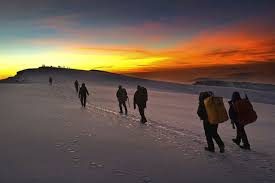
Choosing the right number of days is one of the most important decisions you will make when planning your Kilimanjaro adventure. A well-paced itinerary not only improves your chances of standing on Africa's highest point but also allows you to enjoy the mountain's diverse ecosystems, spectacular landscapes, and unforgettable sunrise from the Roof of Africa.
Africantrust Safari Team
Tanzania safari planning, Kilimanjaro route advice, Zanzibar travel logistics
Travel Experience
Local destination team with first-hand experience operating Tanzania safaris and mountain climbs.
Last Reviewed
Jul 31, 2026
Frequently Asked Questions
Most climbers spend 6 to 8 days on Mount Kilimanjaro, depending on the route they choose. While some routes can be completed in five days, a 7- or 8-day itinerary is recommended because it allows better acclimatization and significantly improves summit success rates.
For most people, 7 or 8 days offers the best balance between acclimatization, safety, and summit success. Longer itineraries give your body more time to adapt to high altitude, reducing the risk of altitude sickness.
Yes, the Marangu Route offers a 5-day itinerary. However, this schedule allows limited acclimatization and generally has a lower summit success rate than longer routes.
A 6-day climb is suitable for experienced hikers with good fitness, but many climbers benefit from adding an extra day to improve acclimatization and increase their chances of reaching Uhuru Peak.
Longer routes allow gradual acclimatization as your body adjusts to lower oxygen levels at higher elevations. This reduces the risk of altitude sickness and improves your chances of successfully reaching the summit.
The Northern Circuit Route is the longest standard route, taking 8 to 9 days. It provides excellent acclimatization, fewer crowds, and one of the highest summit success rates.
The 5-day Marangu Route is the shortest commonly offered itinerary. While it is attractive for travelers with limited time, it provides less opportunity for acclimatization.
Most hiking days involve 4 to 8 hours of trekking. Summit night is the longest and most demanding section, often taking 10 to 15 hours to reach Uhuru Peak and descend to the next camp.
Mount Kilimanjaro is a challenging high-altitude trek rather than a technical climb. Good fitness, proper preparation, and choosing an itinerary with adequate acclimatization greatly improve your chances of success.
Yes. Beginners are encouraged to choose a 7- or 8-day route, which provides more time to adjust to the altitude and enjoy a safer, more comfortable experience.
The 7-day Machame Route is one of the most popular options because it combines beautiful scenery, excellent acclimatization, and a high summit success rate.
Yes. The Lemosho Route is widely regarded as one of the best routes on Kilimanjaro thanks to its spectacular scenery, quieter trails, gradual ascent, and excellent summit success rates.
Plan for 8 to 11 days in Tanzania. This allows time for arrival, pre-climb briefing, the trek itself, and at least one recovery day after descending.
Yes. Arriving at least one day before your trek allows you to recover from international travel, attend the climb briefing, check your equipment, and prepare for the expedition.
Yes. Most climbers spend one night in Moshi or Arusha after descending to recover before flying home or continuing to a Tanzania safari or Zanzibar holiday.
Absolutely. Many travelers spend 6–8 days climbing Kilimanjaro and then continue with a safari to Serengeti National Park, Ngorongoro Crater, Tarangire National Park, or finish with a beach holiday in Zanzibar.
Your guide will assess your condition and may recommend descending if altitude sickness or another health concern develops. Safety always takes priority over reaching the summit.
Yes. Longer itineraries usually cost more because they include additional park fees, meals, accommodation, staff support, and logistics. However, they also provide better value by improving safety and summit success.
The minimum age to climb Mount Kilimanjaro is 10 years, although guides generally recommend that younger climbers have strong hiking experience and good physical fitness.
The most popular climbing seasons are January to March and June to October, when weather conditions are generally drier and visibility is excellent.
You should be able to hike for several consecutive days while carrying a light daypack. Cardiovascular fitness, leg strength, and endurance training are important before attempting the climb.
Yes. All official routes lead to Uhuru Peak, the highest point on Mount Kilimanjaro at 5,895 meters (19,341 feet) above sea level.
Depending on the route, climbers typically trek 60 to 90 kilometers (37 to 56 miles) over several days, with daily distances varying by itinerary.