The Best 9 Days Lemosho Route – Kilimanjaro Climb for Experienced Climbers

The 9-Day Lemosho Route is designed for experienced climbers who want a challenging and rewarding Kilimanjaro climb. This route follows the western approach, passing through the Shira Plateau, Lava Tower, Barranco Valley, and Karanga Valle, reaching the summit at Uhuru Peak.

The itinerary allows for gradual acclimatization, increasing the chances of a successful summit. Climbers stay in well-equipped tented camps, supported by professional guides and porters. Along the way, you will see glaciers, alpine landscapes, and panoramic view. This is one of the best Kilimanjaro climbing routes for experienced trekkers seeking a full 9-day adventure.
9 Days Lemosho Route Kilimanjaro Climb
  • (9-Day Lemosho Route – Ultimate Summit Experience)

The Best 9 Days Lemosho Route – Ultimate Kilimanjaro Adventure for Experienced Climbers

$3,490 / Starting Price Per Person (Estimate)

The 9-Day Lemosho Route is a carefully planned Kilimanjaro trek designed for **experienced climbers seeking a full adventure**. This route offers the perfect balance of **challenging hikes and gradual acclimatization**, passing through the **Shira Plateau, Lava Tower, Barranco Valley, Karanga Valley**, and reaching the **summit at Uhuru Peak**. Nights are spent in well-equipped tented camps with **full porter and guide support**.

This trek is ideal for climbers who want to **maximize their chances of summit success** while enjoying the most scenic trails on Kilimanjaro. Guided by **experienced, English-speaking mountain guides**, supported by a dedicated porter team, the route combines **breathtaking alpine and glacial views, diverse landscapes, and challenging terrain**. Perfect for those who have some trekking experience and want a complete 9-day Kilimanjaro experience. Organic Keywords: 9 days Lemosho Kilimanjaro, Lemosho route for experienced climbers, Kilimanjaro trekking route, high summit success Kilimanjaro, Kilimanjaro 9-day climb.

Route Focus Western Lemosho Route, Shira Plateau, Lava Tower, Barranco & Karanga Valley, Uhuru Peak Summit
Duration 9 Days / 8 Nights
Starting/Ending Point Moshi Town / Kilimanjaro International Airport (JRO)
Best For Experienced trekkers, Adventure seekers, Nature enthusiasts, Summit-focused climbers
Accommodation Types Tented Camps with meals, hot drinks, and porter support; upgrade options available
Key Highlights Shira Plateau, Lava Tower, Barranco Wall, Karanga Valley, Summit via Uhuru Peak, Western Glaciers, Scenic Trails
Operator Recommendation Africantrust Safari – Expert Kilimanjaro guides with highest summit success rates.

9-Day Lemosho Route Kilimanjaro: Day by Day Itinerary

A structured 9-day trek for experienced climbers with gradual acclimatization and challenging trails, culminating at Uhuru Peak, the highest point in Africa.

01

Day 1: Arrival in Moshi & Pre-Trek Orientation

Arrive at Kilimanjaro International Airport (JRO) and transfer to Moshi town. Meet your guides and porters, check your trekking gear, and attend a detailed briefing about the 9-day trek. Focus on hydration, rest, and proper preparation to ensure a smooth start to the climb.

  • Destination: Moshi Town
  • Activity: Gear inspection, Orientation, Rest
  • Tips: Hydrate well, avoid alcohol, early bedtime
02

Day 2: Lemosho Gate to Shira 1 Camp

Begin your trek from the Lemosho Gate through the lush rainforest. The path is mostly gentle, allowing climbers to adjust gradually to higher altitudes. Keep your pace steady and enjoy the scenery of tropical trees, birds, and occasional monkeys.

  • Destination: Shira 1 Camp (3,500 m / 11,483 ft)
  • Trek Distance: 5–6 km / 3–4 hours
  • Highlights: Rainforest scenery, first wildlife sightings, acclimatization
03

Day 3: Shira 1 Camp to Shira 2 Camp

Continue trekking across the Shira Plateau towards Shira 2 Camp. The terrain becomes more open and rocky, offering breathtaking views of Kilimanjaro's western glaciers. This is a moderate day ideal for acclimatization.

  • Destination: Shira 2 Camp (3,850 m / 12,631 ft)
  • Trek Distance: 6–7 km / 4–5 hours
  • Highlights: Shira Plateau views, wildflowers, wildlife spotting
04

Day 4: Shira 2 Camp to Lava Tower & Barranco Camp

Hike towards the iconic Lava Tower (4,630 m / 15,190 ft) for the first major altitude exposure. After a rest at Lava Tower, descend to Barranco Camp for overnight stay. This day allows your body to acclimatize efficiently while covering substantial altitude.

  • Destination: Barranco Camp (3,950 m / 12,959 ft)
  • Trek Distance: 10–12 km / 6–7 hours
  • Highlights: Lava Tower, panoramic views, first major altitude gain
05

Day 5: Barranco Camp to Karanga Valley Camp

Tackle the famous Barranco Wall early in the day. This challenging yet manageable climb is rewarded with stunning views over the valley below. Descend into Karanga Valley, a shorter day that continues gradual acclimatization before higher altitude ascent.

  • Destination: Karanga Valley Camp (4,000 m / 13,123 ft)
  • Trek Distance: 5–6 km / 4–5 hours
  • Highlights: Barranco Wall climb, Karanga Valley scenic views
06

Day 6: Karanga Valley Camp to Barafu Camp

Ascend steadily to Barafu Camp (4,600 m / 15,091 ft), the base for your summit attempt. Today’s hike is more strenuous, offering clear views of the glaciers and the surrounding alpine desert. Rest in preparation for the summit climb.

  • Destination: Barafu Camp (4,600 m / 15,091 ft)
  • Trek Distance: 7 km / 5–6 hours
  • Highlights: Alpine desert, pre-summit preparations, glacier views
07

Day 7: Summit Day - Barafu Camp to Uhuru Peak & Descent to Mweka Camp

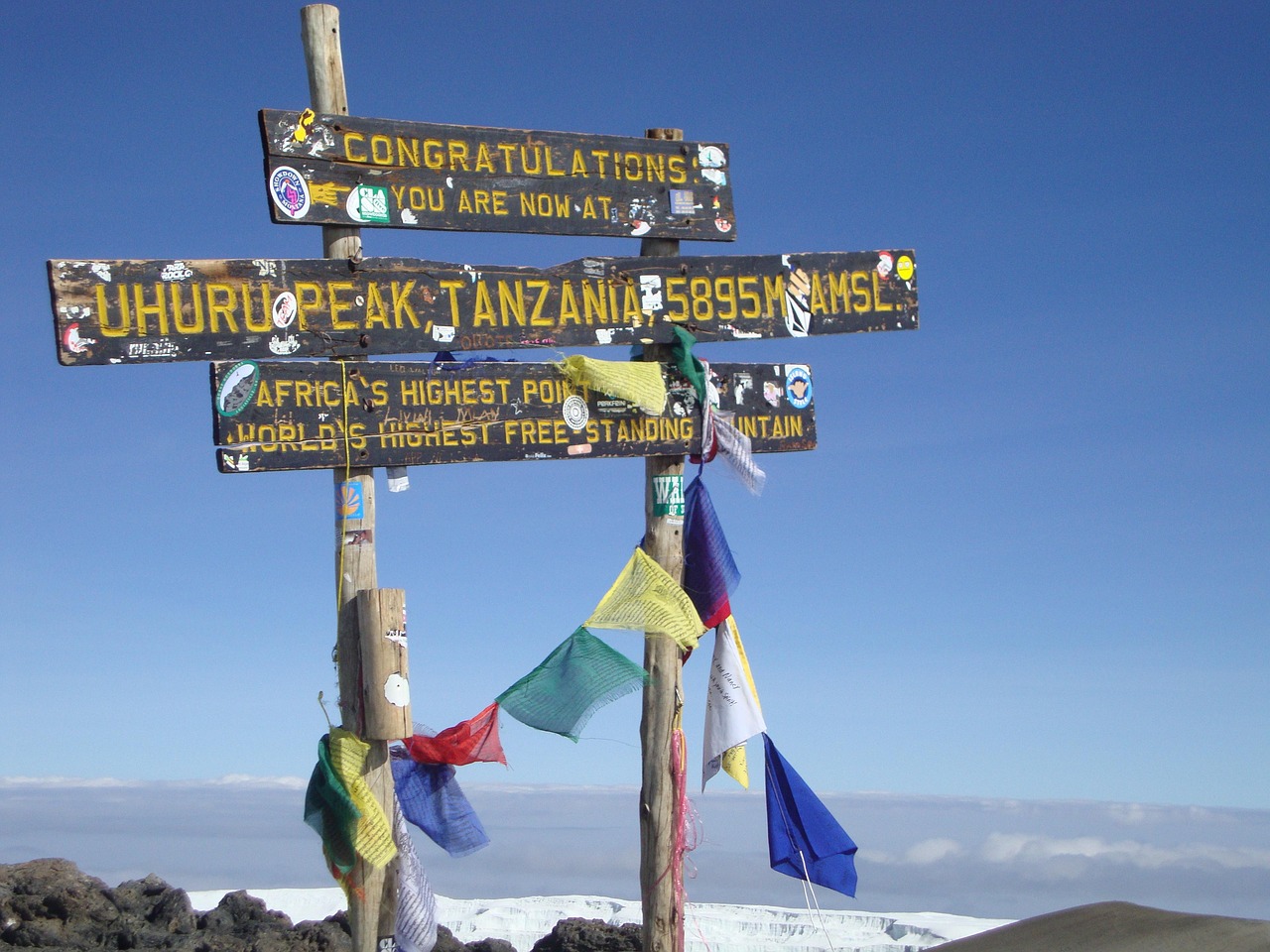
Begin your summit climb around midnight to reach Uhuru Peak (5,895 m / 19,341 ft) by sunrise. Celebrate your achievement and then descend to Barafu for a brief rest before continuing to Mweka Camp (3,100 m / 10,170 ft). This is a long but highly rewarding day.

  • Destination: Uhuru Peak and Mweka Camp
  • Trek Distance: 11–12 km / 12–14 hours
  • Highlights: Sunrise at Uhuru Peak, breathtaking glaciers, sense of achievement
08

Day 8: Mweka Camp to Mweka Gate & Transfer to Moshi

Descend through the rainforest to Mweka Gate, where you will complete formalities and receive your summit certificates. Transfer back to Moshi town for a well-earned rest and celebration of your accomplishment.

  • Destination: Mweka Gate / Moshi Town
  • Trek Distance: 10 km / 4–5 hours
  • Highlights: Rainforest descent, summit celebration, certificate presentation
09

Day 9: Departure from Moshi

After breakfast in Moshi, transfer to Kilimanjaro International Airport (JRO) or continue with your next adventure in Tanzania. Reflect on your epic Kilimanjaro journey and share memories with your guides and fellow climbers.

  • Destination: Kilimanjaro International Airport (JRO)
  • Activity: Airport transfer, departure
  • Highlights: Completion of 9-day trek, farewell to guides and porters

Inclusions & Exclusions for 9-Day Lemosho Kilimanjaro Trek

Detailed information on what is included and excluded for climbers planning this ultimate 9-day Lemosho Route Kilimanjaro adventure. Ensure you pack accordingly and understand the services provided by Africantrust Safari.

Included
  • 8 Nights Camping Accommodation: Comfortable tented camps with sleeping mats and basic bedding along the route, ensuring rest at high-altitude stops.
  • Professional Mountain Guides & Porter Support: Experienced guides with local knowledge, plus porters to carry your luggage, helping you trek light and safely.
  • All Meals, Hot Drinks, and Snacks: Nutritious breakfast, lunch, dinner, and hot beverages to maintain energy and hydration at altitude.
  • Park Fees, Rescue Fees, and Government Taxes: Full coverage of Kilimanjaro National Park entry, conservation fees, and mandatory government taxes.
  • Bottled Water & Drinking Supplies: Safe drinking water throughout the trek to ensure hydration at all times.
  • Trekking Poles & Oxygen Cylinder Access: Poles for stability and optional oxygen cylinders for emergencies to support safe summit attempts.
  • First Aid & Emergency Support: Guides carry first aid kits and are trained in high-altitude medical emergencies for climber safety.
  • Summit Strategy & Daily Acclimatization: Planned daily hiking distances and acclimatization stops for increased summit success.
  • Hot Beverages at Camps: Tea, coffee, and hot chocolate provided at all camp stops.
Excluded
  • International Flights & Tanzania Visa: Costs for arrival/departure flights to Kilimanjaro International Airport and visa fees are not included.
  • Personal Gear & Souvenirs: Trekking equipment not supplied by Africantrust Safari, personal items, snacks, or souvenirs.
  • Tips for Guides & Porters: Gratuities are customary and not included in the package price.
  • Travel & Medical Insurance: Comprehensive insurance covering high-altitude trekking is mandatory for all climbers.
  • Optional Accommodation Upgrades: Extra charges apply if climbers choose upgraded lodges before or after the trek.
  • Special Dietary Requests Outside Standard Meals: Extra meals or specific dietary requirements not mentioned in the package.

This detailed inclusions and exclusions list ensures climbers are fully informed about what to expect, plan for, and prepare before undertaking the ultimate 9-day Lemosho Kilimanjaro trek with Africantrust Safari.

FAQs: 9-Day Lemosho Route

Here are answers to frequently asked questions for climbers preparing for the 9-Day Lemosho Kilimanjaro trek, designed for experienced trekkers seeking the ultimate adventure and highest summit success rates.

Is 9 days enough for experienced climbers?

Yes. The 9-day schedule is ideal for experienced trekkers. It provides a gradual ascent that allows your body to acclimatize properly, reducing the risk of altitude sickness and increasing the probability of reaching the summit. Extra days also allow for rest and recovery, ensuring you can enjoy each stage of the trek fully.

How challenging is the Lemosho route?

The Lemosho Route is considered moderately to highly challenging, especially in its later stages. Trekkers face long hiking days, steep inclines, rocky terrain, and significant altitude gain. While this route is suitable for experienced hikers, good physical fitness, prior high-altitude trekking experience, and stamina are recommended.

What is the summit success rate?

The 9-Day Lemosho Route has one of the highest summit success rates on Kilimanjaro. This is due to the careful itinerary that emphasizes slow ascent, overnight acclimatization stops, and the guidance of professional mountain guides who monitor health, pace, and weather conditions.

Can extra porters be hired?

Yes. Additional porters can be arranged to carry personal gear, camera equipment, or supplies. This allows climbers to focus on trekking without fatigue from heavy backpacks. Africantrust Safari can assist in organizing extra porter support if requested in advance.

Is medical support available during the trek?

Absolutely. All guides are trained in high-altitude emergency procedures and carry oxygen, first aid kits, and altitude medications. They constantly monitor climbers for signs of altitude sickness and can respond immediately if medical attention is needed.

What gear is recommended for the 9-Day Lemosho Route?

Essential gear includes layered clothing, waterproof jackets, sturdy hiking boots, gloves, hat, trekking poles, headlamp, and sun protection. A high-quality sleeping bag, personal water bottles, and a camera are also recommended. Africantrust Safari provides tents and basic camping equipment, but personal comfort items enhance the experience.

When is the best time to climb Kilimanjaro via Lemosho?

The best months are from January to March and June to October, when rainfall is minimal and trails are drier. These periods provide optimal conditions for summit attempts and spectacular alpine views. Weather can be unpredictable, so climbers should prepare for cold and wind at higher altitudes.

Do I need prior high-altitude experience?

While prior high-altitude trekking is beneficial, the 9-Day Lemosho itinerary is designed to help experienced hikers acclimatize gradually. The additional days reduce risk and improve summit success, making it accessible to those with good fitness and trekking experience.

Are meals and water provided on the trek?

Yes. Africantrust Safari provides all meals, hot drinks, snacks, and bottled water during the trek. Guides can accommodate dietary preferences with prior notice. Staying hydrated and nourished is critical to high-altitude performance.

What support is available if someone struggles at high altitude?

Guides carry oxygen and emergency medical supplies and are trained to assess altitude sickness. They can recommend resting, descending, or modifying the trek plan. Safety is the top priority, and no climber is forced to continue beyond their capability.

Essential Details: Preparing for the 9-Day Lemosho Kilimanjaro Trek

This section provides critical information to ensure a safe, comfortable, and successful climb on Kilimanjaro’s Lemosho Route. Careful preparation, proper gear, and awareness of high-altitude challenges can significantly improve your experience and increase your chance of summiting.

Climbing Tips & Health

  • Walk Slowly and Steadily: Maintain a slow pace (“pole pole”) to allow your body to acclimatize gradually. Avoid rushing, especially on steep or high-altitude sections, as this reduces the risk of altitude sickness.
  • Hydrate Constantly: Drink at least 3–4 liters of water daily. Dehydration can worsen altitude symptoms and reduce energy levels.
  • Rest Adequately: Take short breaks every hour and ensure you sleep well in the camps. Nights may be cold, so having a proper sleeping bag is essential for rest and recovery.
  • Monitor Symptoms: Headaches, dizziness, nausea, or fatigue can indicate altitude sickness. Report these immediately to your guides who are trained to assess and manage symptoms. Do not ignore them.
  • Acclimatization Days: The Lemosho Route’s extra days are built for gradual altitude gain. Take advantage of these days to adjust, enjoy the scenery, and minimize health risks.
  • Nutrition: Eat regular meals, including high-energy snacks. Your guides provide hot meals, but carrying a small personal energy bar or trail mix can help maintain energy on long hiking days.
  • Physical Fitness: Prior training with long hikes, stair climbing, and aerobic exercise prepares your body for endurance and stamina needed for the 9-day trek.

Gear & Clothing

  • Layered Clothing: Temperatures can vary from warm daytime sun in the rainforest to sub-zero temperatures near the summit. Layering allows you to adjust and stay comfortable.
  • Waterproof Jacket & Pants: Sudden rain or snow is possible. Good waterproof gear protects you from wet and cold conditions.
  • Sturdy Hiking Boots: Well-broken-in boots with strong ankle support are essential. Pair with moisture-wicking socks to avoid blisters and keep feet warm.
  • Warm Hat, Gloves & Buff: Protect extremities from cold and wind. A buff or scarf also helps during dusty or windy sections.
  • Sunglasses & Sunscreen: UV exposure is higher at altitude. Protect eyes and skin from sunburn and snow glare.
  • Trekking Poles: Helpful for balance and reducing strain on knees, especially during steep ascents or descents.
  • High-Quality Camera: The route offers spectacular alpine landscapes, glaciers, and wildlife. Bring a camera with good zoom and weather protection.
  • Daypack: A small backpack for water, snacks, jacket, and personal items during daily hikes.
  • Headlamp: Essential for early morning summit attempts or night-time activities in camps.
  • Personal Items: Include lip balm, hand sanitizer, toiletries, and any medications needed. Guides carry first aid kits, but personal medications are your responsibility.

Additional Tips for a Successful Trek

  • Dress in layers and avoid cotton; synthetic or wool fabrics retain warmth and dry quickly.
  • Carry a refillable water bottle to reduce plastic waste and ensure continuous hydration.
  • Protect electronics with waterproof pouches or dry bags.
  • Limit alcohol intake before and during the trek to avoid dehydration and sleep disturbance.
  • Mental preparation is key—pace yourself, focus on small goals, and enjoy the journey rather than rushing to the summit.

Tour Highlights: 9-Day Lemosho Kilimanjaro Trek

Key features that make this trek the ultimate Kilimanjaro adventure for experienced climbers.

Western Approach Scenic Views

Enjoy some of Kilimanjaro's most dramatic landscapes as you trek through lush rainforests, open Shira Plateau, and alpine desert scenery along the western route.

Maximum Acclimatization

The 9-day schedule allows gradual ascent with adequate rest periods, boosting your chances of reaching Uhuru Peak safely and successfully.

Expert Guides & Porter Team

Climb with experienced local guides trained in altitude safety, supported by a reliable porter team to carry equipment, set up camps, and ensure your comfort.

High-Quality Camping Equipment

Stay comfortable at each camp with premium tents, sleeping mats, and sleeping bags designed for high-altitude conditions and cold nights.

Breathtaking Glacial & Alpine Views

Witness Kilimanjaro's iconic glaciers, snowfields, and alpine landscapes on the upper slopes, offering unforgettable photo opportunities and scenic vistas.

Pricing & Booking: 9-Day Lemosho Kilimanjaro Trek

Plan your ultimate Kilimanjaro adventure with transparent pricing and flexible booking options.

Starting Price

From $2,690 per person (estimate)

Price includes guides, porters, meals, tented camps, permits, park fees, and access to oxygen if needed.

What's Included

Professional Mountain Guides
Porter Support
All Meals, Hot Drinks & Snacks
Tented Camping Accommodation (8 Nights)
Kilimanjaro National Park Permits & Rescue Fees
Bottled Water & Oxygen Access if Needed

What's Not Included

International Flights & Tanzania Visa
Personal Gear, Souvenirs, Extra Snacks
Tips for Guides & Porters (Customary)
Travel & Medical Insurance (Required)

Packing List: 9-Day Lemosho Kilimanjaro Trek

Everything you need to bring for a safe, comfortable, and successful climb. Keywords: Kilimanjaro packing list for 8-day Lemosho, what to bring on 8-day Lemosho route.

Clothing

  • Base layers (thermal tops and bottoms)
  • Fleece or insulated mid-layer jacket
  • Waterproof and windproof outer jacket & pants
  • Trekking trousers and shorts
  • Quick-dry shirts and T-shirts
  • Warm hat, gloves, and scarf or buff
  • Socks: thermal, trekking, and liner socks
  • Hiking boots (broken-in) and camp shoes

Trekking Gear

  • Daypack (20–30L) for personal items
  • Sleeping bag (rated -10°C to -15°C)
  • Trekking poles
  • Headlamp with extra batteries
  • Sunglasses with UV protection
  • Water bottles or hydration system (3–4L daily)
  • Small first aid kit (personal medications)
  • Camera / smartphone with extra batteries and memory cards

Personal Items

  • Passport and travel documents
  • Copies of travel insurance and emergency contacts
  • Sunscreen SPF 30+ and lip balm
  • Toiletries: toothbrush, toothpaste, wet wipes, biodegradable soap
  • Personal snacks (energy bars, chocolate, dried fruit)
  • Small notebook and pen

Optional / Recommended Items

  • Lightweight gaiters for snow and mud
  • Travel pillow
  • Power bank and charging cables
  • Binoculars for wildlife spotting
  • Hand sanitizer and toilet paper

FAQs: 9-Day Lemosho Kilimanjaro Trek

Answers to the most common questions about climbing the Lemosho route for experienced and well-prepared trekkers.

Yes. Although designed for experienced climbers, first-time trekkers with good fitness can attempt this route. The 9-day schedule allows gradual acclimatization and a higher chance of summit success.

The Lemosho route is moderate to challenging. It includes long trekking days, varied terrain, and high-altitude sections. Gradual ascent over 9 days helps reduce altitude sickness and increase success.

With proper acclimatization and experienced guides, the 9-day Lemosho route has one of the highest summit success rates on Kilimanjaro, often exceeding 85%.

Yes. Extra porters can be arranged to carry personal belongings or photography equipment, reducing fatigue and allowing you to focus on trekking.

Yes. Guides carry oxygen, first aid kits, and are trained to handle altitude sickness and emergencies. Safety is a top priority on the 9-day trek.

Daily treks range from 5 to 10 km on moderate terrain, with gradual elevation gain. Summit day is the longest, typically 10–12 hours of climbing and descending.

Camp accommodation includes high-quality tents with sleeping mats. Campsites are strategically located for acclimatization and safety, and communal dining areas are provided.

Yes. All meals, snacks, and hot drinks are included. Menus are designed for high-energy trekking, ensuring sufficient calories and nutrition.

Good fitness is required for the 9-day trek due to long hiking days and altitude. Regular cardio, hiking with a pack, and strength training are recommended.

Coverage is limited to lower altitudes. Expect minimal or no mobile signal near camps above 3,500m. Some camps may provide Wi-Fi for emergencies or limited use.

Charging is limited to lower camps. Summit day and high-altitude camps usually do not have electricity. Bring power banks and spare batteries.

Guides monitor your health and altitude symptoms. If you cannot continue, safe descent protocols are followed immediately. Extra porters and guides ensure your safety.

Yes. There are stunning landscapes along the Western Lemosho approach, alpine meadows, and glaciers. Extra porters can carry heavy camera gear if needed.

Why Choose Africantrust Safari for Your 9-Day Lemosho Kilimanjaro Trek

Your trusted Kilimanjaro operator for safe, successful, and unforgettable climbs.

  • Trusted Kilimanjaro Operator: Over 10 years of experience organizing safe and well-managed treks on all Kilimanjaro routes.
  • Expert 8-Day Lemosho Route Guides: Professional guides with extensive knowledge of the trail, weather patterns, and acclimatization schedules to maximize summit success.
  • Highest Summit Success Rates: Our carefully planned gradual ascent and small group sizes ensure one of the highest summit success rates for Kilimanjaro climbs.
  • Comprehensive Safety Protocols: Guides carry oxygen, first aid kits, and follow strict safety and emergency procedures for high-altitude trekking.
  • Gradual Acclimatization: 9 days on the Lemosho route allow your body to adjust to high altitude, reducing risks of altitude sickness.
  • Experienced Porter Teams: Our trained porters carry equipment, tents, and meals, so you can focus on the climb and enjoy the journey.
  • High-Quality Camping Equipment: We provide durable tents, comfortable sleeping mats, and hygienic dining facilities along the route.
  • Personalized Service: Small group sizes, attention to individual climber needs, and customized pace ensure a memorable and safe experience.
  • Full Meal Support: Balanced and energy-rich meals prepared along the route, including snacks and hot drinks, to sustain energy for the climb.
  • Scenic & Memorable Experience: Western Lemosho route offers breathtaking rainforest, alpine desert, and glacial landscapes for unforgettable photography opportunities.
  • Local Knowledge & Cultural Insight: Guides provide insight into Kilimanjaro’s flora, fauna, and local culture, enriching your trekking experience.
  • Responsive Customer Support: Before, during, and after your trek, Africantrust Safari is always available to answer questions, provide tips, and assist with logistics.
  • Focus on Eco-Friendly Practices: We follow Leave No Trace principles, minimizing environmental impact along Kilimanjaro’s trails.
Adventure Awaits

Kickstart Your African Safari Journey Today!

Join Africantrust Safari for thrilling wildlife encounters, majestic landscapes, and unforgettable experiences. One click is all it takes to start your adventure.