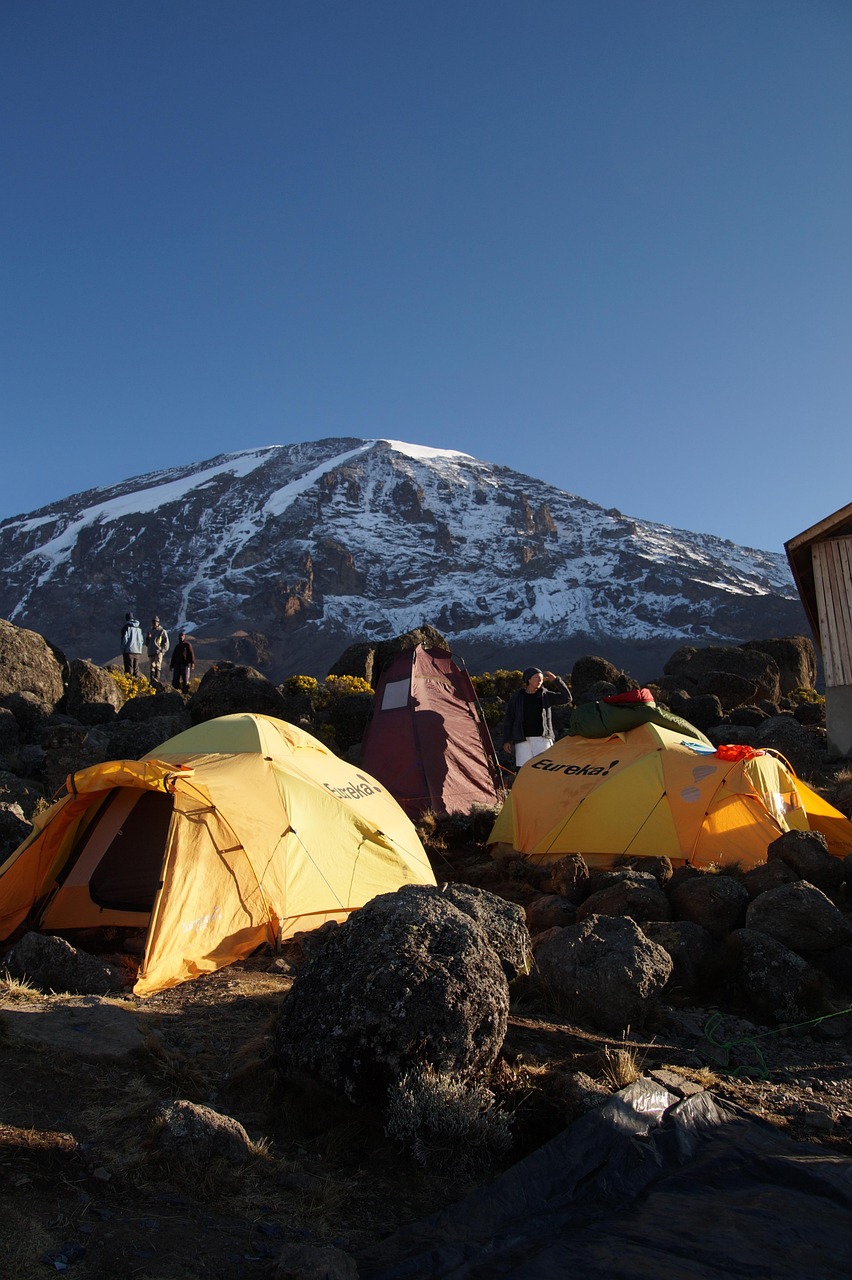
Kilimanjaro Photo Gallery

Visual Journey

Explore Mount Kilimanjaro

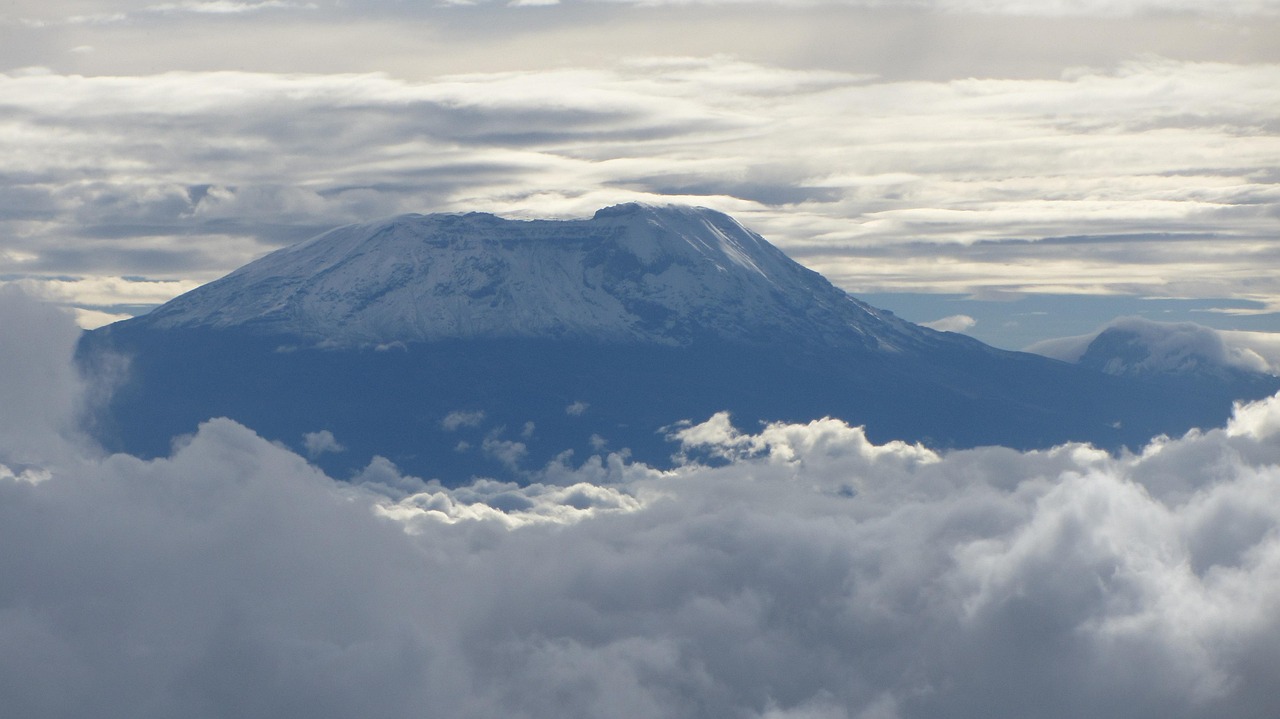
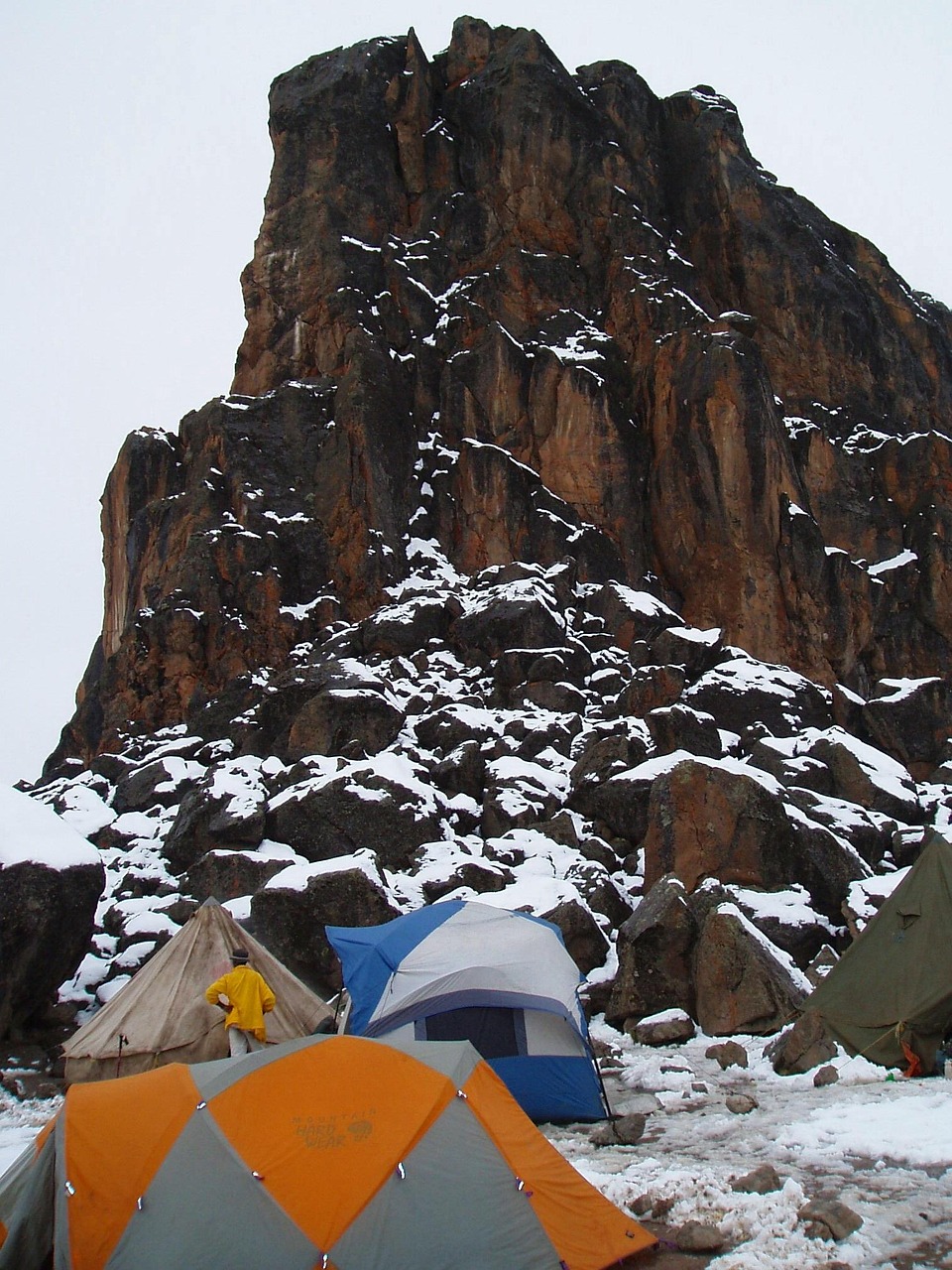
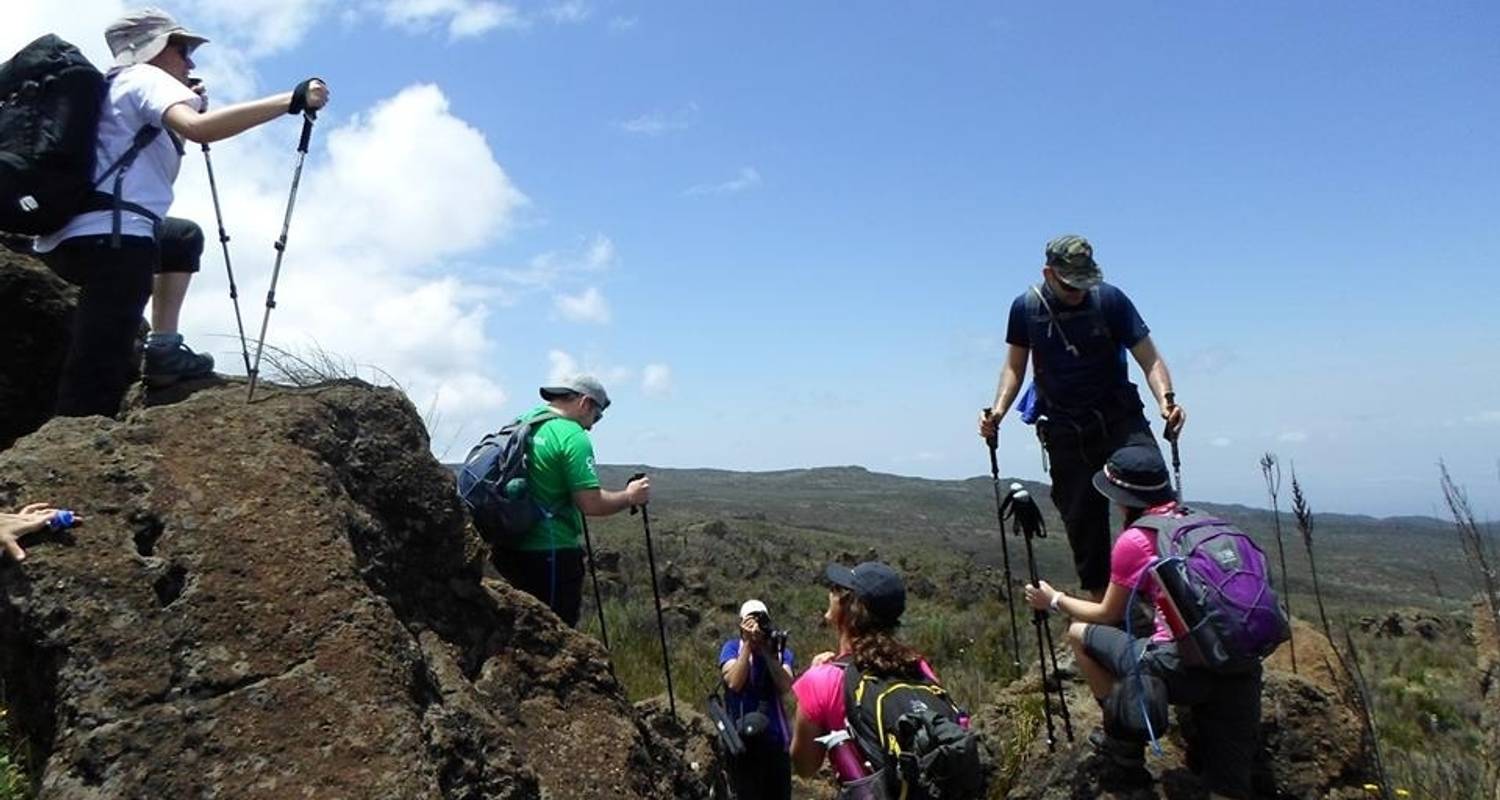
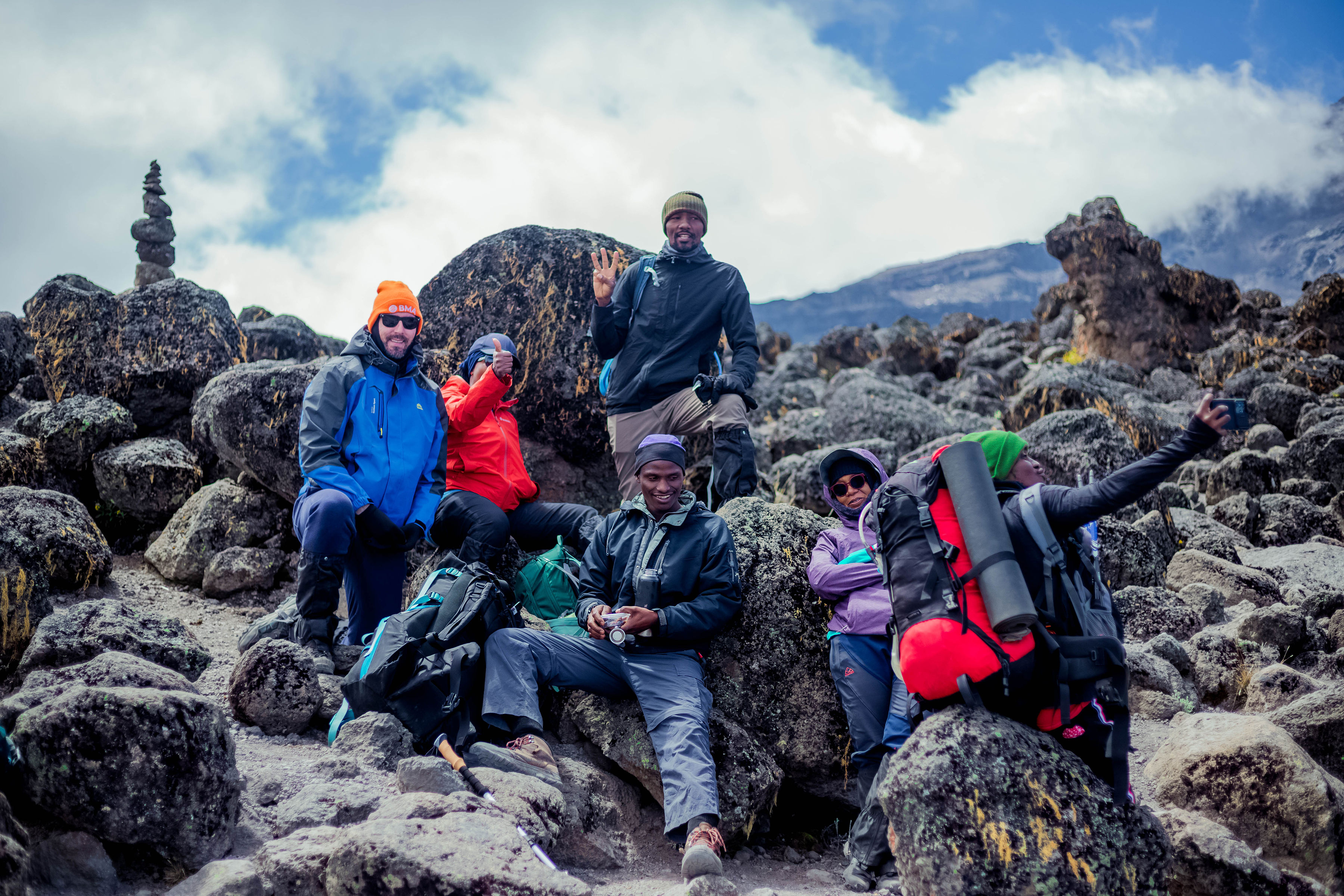
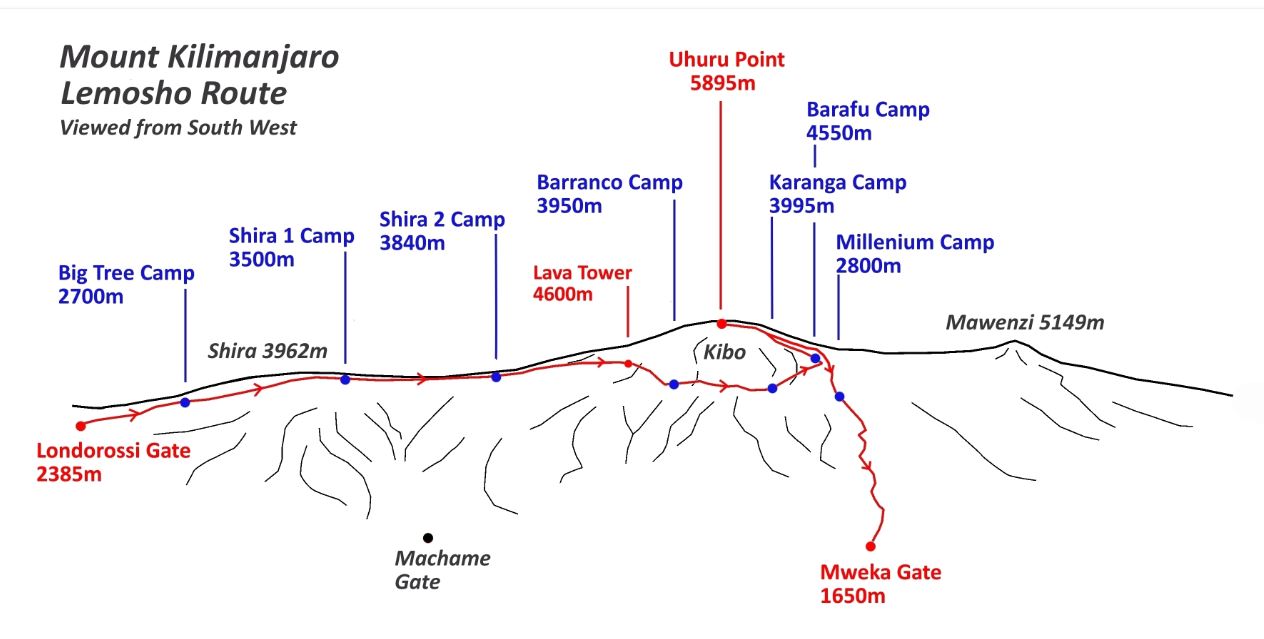
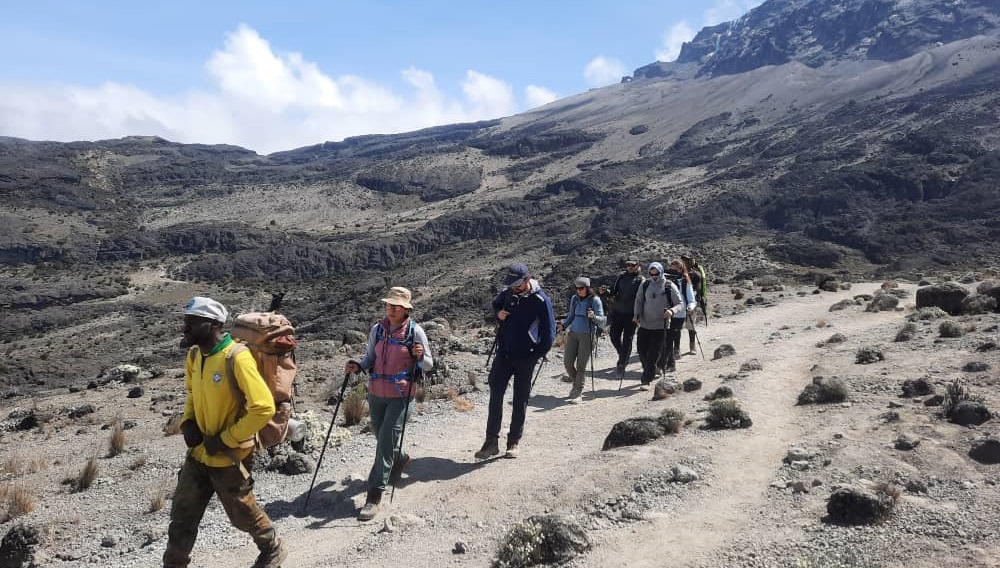
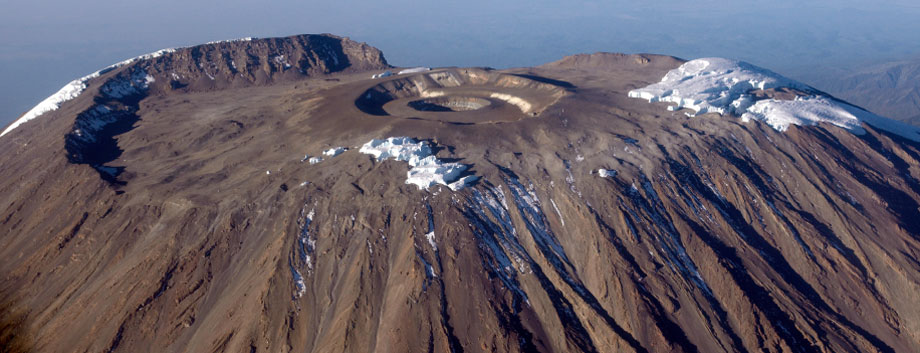
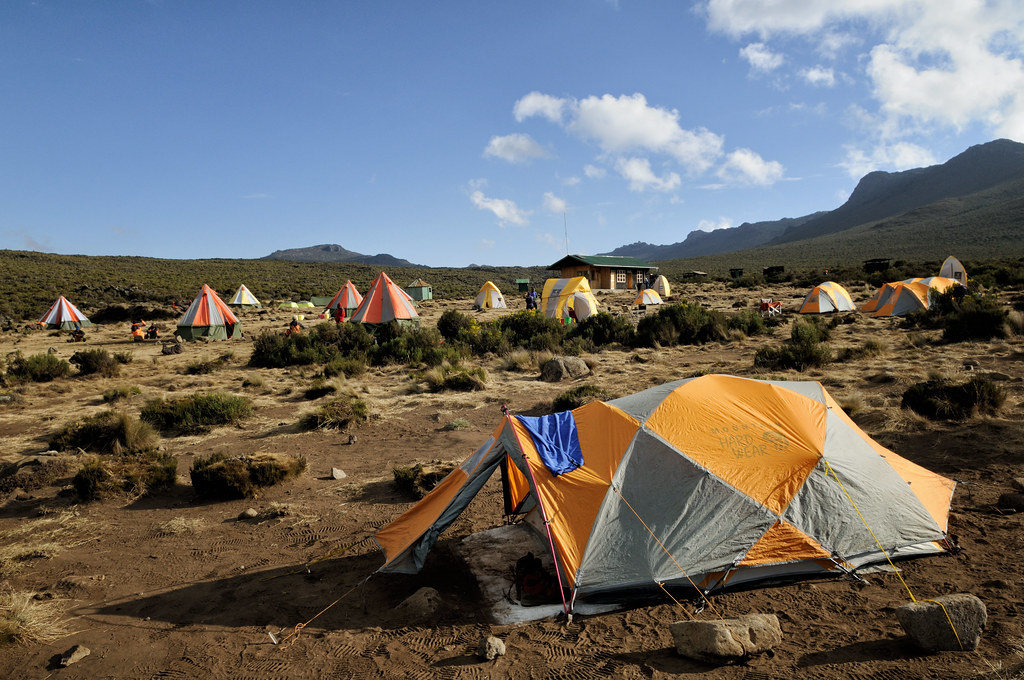
Browse our curated collection of images from the different routes, campsites, and the majestic Uhuru Peak. See the diverse landscapes from rainforests to arctic summits.

What You Will See: Kilimanjaro's Ecological Zones

Climbing Mount Kilimanjaro is like walking from the equator to the North Pole in a matter of days. As you ascend, you pass through five distinct climate zones, each offering unique photography opportunities.

1. Cultivation & Rainforest (800m - 2,800m)

The Shot: Lush greenery, colobus monkeys, and moss-covered trees.
Tip: Use a fast lens (f/2.8) as light can be low under the canopy. Look for macro shots of orchids and chameleons.

2. Heath & Moorland (2,800m - 4,000m)

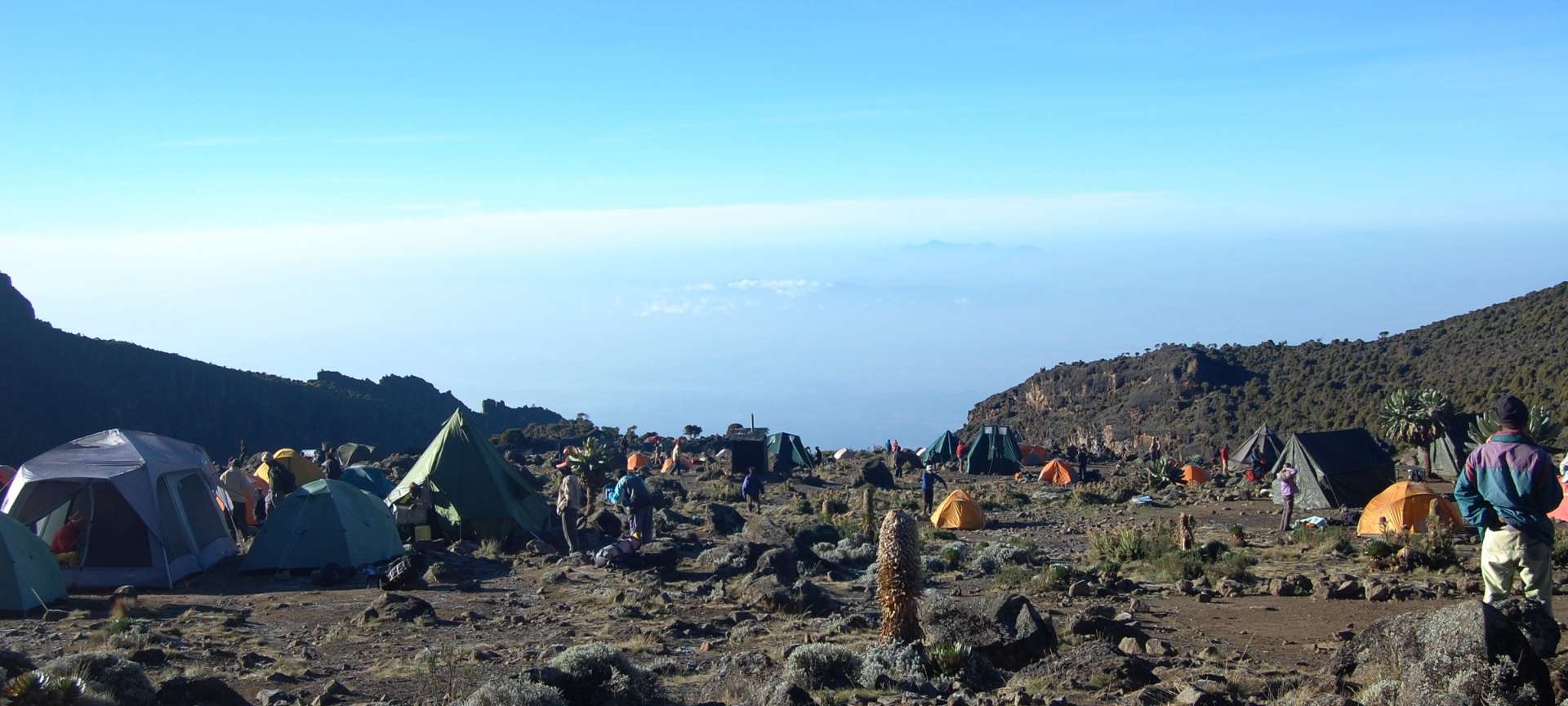
The Shot: Giant Senecios (alien-like plants) and Lobelias silhouetted against the sky.
Tip: This zone offers the first clear views of the peak. Sunrise lighting here is spectacular for landscape shots.

3. Alpine Desert (4,000m - 5,000m)

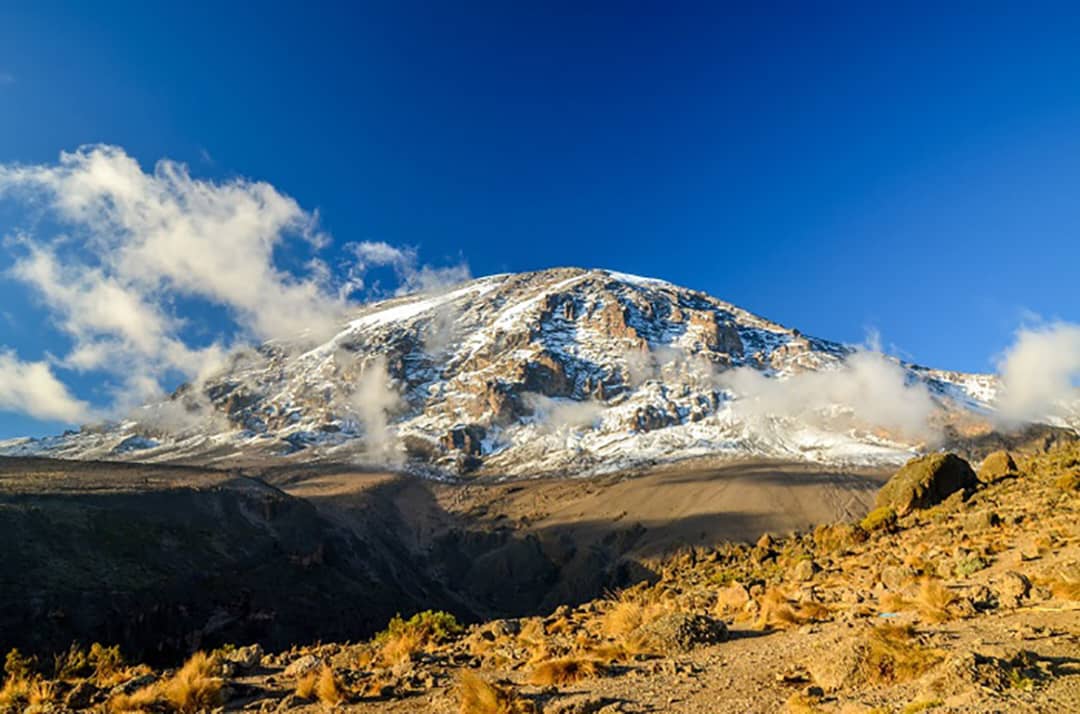
The Shot: Stark, lunar-like landscapes, expansive skies, and the towering Kibo cone.
Tip: The air is thin and clear, providing high contrast. A polarizing filter works wonders here to deepen the blue sky.

4. Arctic Summit Zone (5,000m+)

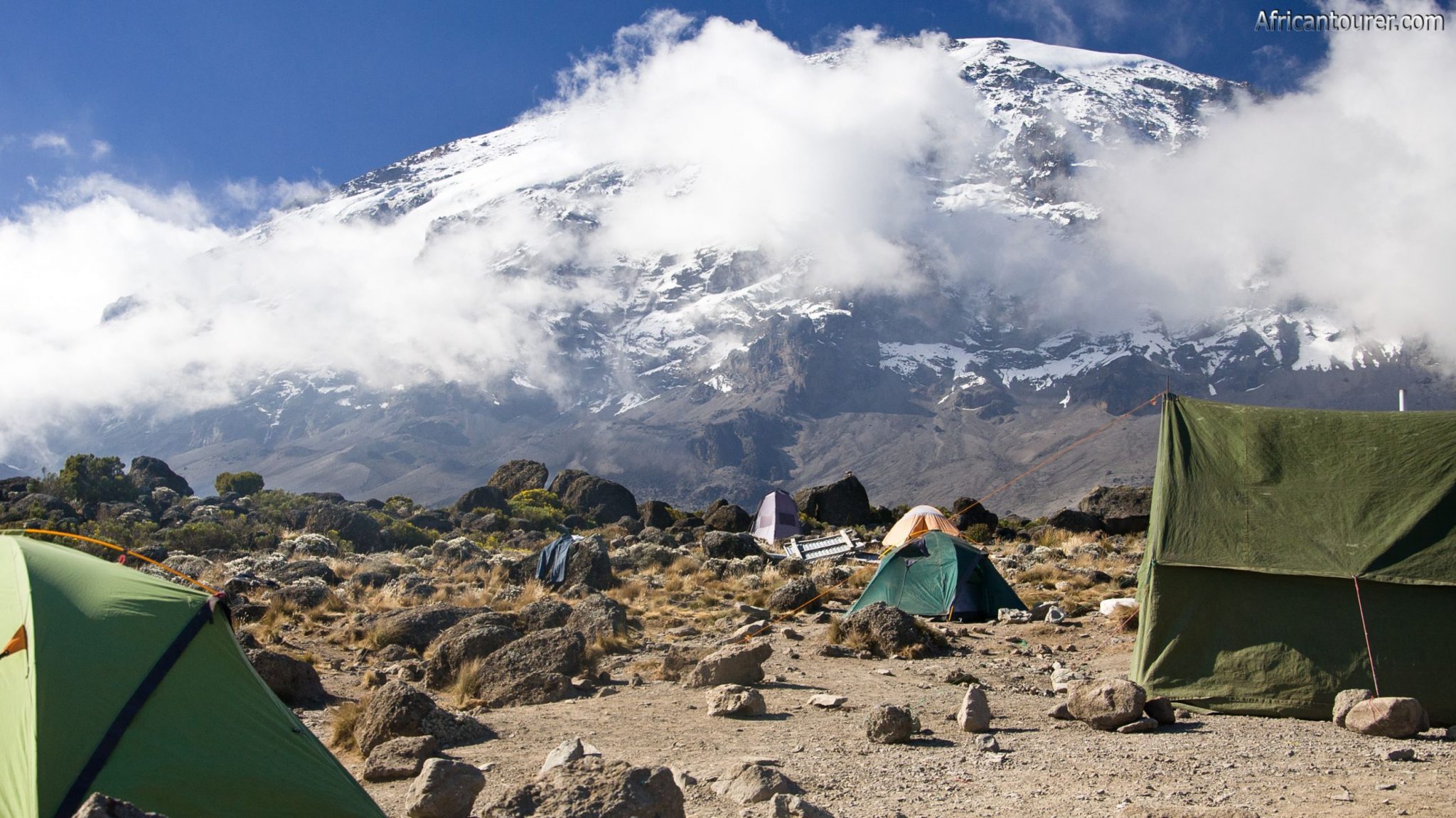
The Shot: Glaciers, ice walls, and the curvature of the earth at sunrise.
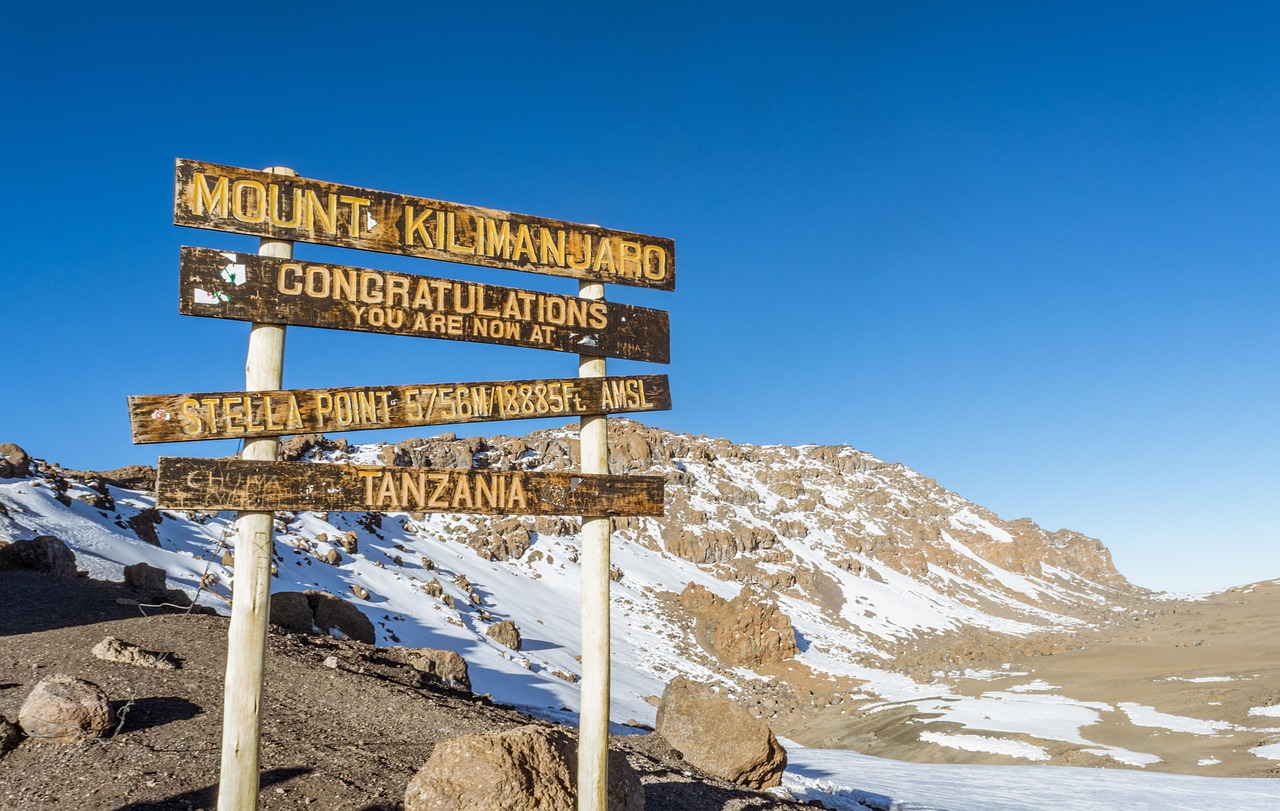
Tip: Capture the famous "Uhuru Peak" sign, but don't forget the massive Rebmann and Furtwangler glaciers before they descend.

Essential Photography Hints for Climbers

Many trekkers miss the perfect shot because of equipment failure or lack of preparation. Here are the pro tips often left out of standard guides:

  • Keep Batteries Warm: Cold drains batteries instantly. On summit night, keep your spare batteries inside your jacket close to your body heat. Don't leave them in your backpack!
  • Manage the Dust: The saddle between Mawenzi and Kibo is incredibly dusty. Keep your camera in a sealed bag when not in use. Avoid changing lenses in the wind.
  • Lens Choice: You don't need a heavy telephoto lens. A wide-angle (16-35mm) is essential for landscapes, and a versatile zoom (24-70mm or 24-105mm) covers 90% of shots. Weight is your enemy on the mountain.
  • Summit Sunrise: You will likely reach Stella Point or Gilman's Point at sunrise. The lighting changes rapidly from pitch black to blindingly bright. Know your camera settings in the dark before you start hiking.

Ready to capture these moments yourself?

Our guides are trained to help you get the best shots while ensuring your safety.

Start Planning Your Trek