+255769013227 africantrustsafari@gmail.com
Moshi, Tanzania

Ultimate Tanzania Safari Guide (2026–2027): Parks, Wildlife, Costs, Best Time to Visit & Expert Travel Tips

Planning your first Tanzania safari? This comprehensive Tanzania Safari Guide covers everything you need to know before you travel, including the best national parks, wildlife experiences, Great Migration, safari costs, accommodation options, best time to visit, family safaris, luxury and budget tours, travel tips, and

Africantrust Safari Team

Tanzania safari planning, Kilimanjaro route advice, Zanzibar travel logistics

Travel Experience

Local destination team with first-hand experience operating Tanzania safaris and mountain climbs.

Last Reviewed

Jul 29, 2026

Tanzania is widely recognized as one of the world's greatest safari destinations, offering breathtaking landscapes, extraordinary wildlife, and some of Africa's most iconic national parks. Home to the legendary Serengeti National Park, the spectacular Ngorongoro Crater, elephant-rich Tarangire National Park, and the tree-climbing lions of Lake Manyara National Park, Tanzania delivers unforgettable safari experiences throughout the year.

Whether you're planning your first African safari, a luxury honeymoon, a family holiday, a photographic expedition, or a budget camping adventure, understanding when to visit, which parks to include, how much a safari costs, and how to build the right itinerary can make a significant difference to your experience.

As a locally owned Tanzania tour operator, Africantrust Safari has helped travelers from around the world explore Tanzania's Northern Safari Circuit through carefully designed itineraries that balance wildlife viewing, travel distances, accommodation quality, seasonal migration patterns, conservation regulations, and overall value.

Rather than simply choosing the most famous parks, the best Tanzania safaris are built around your travel goals.

For example:

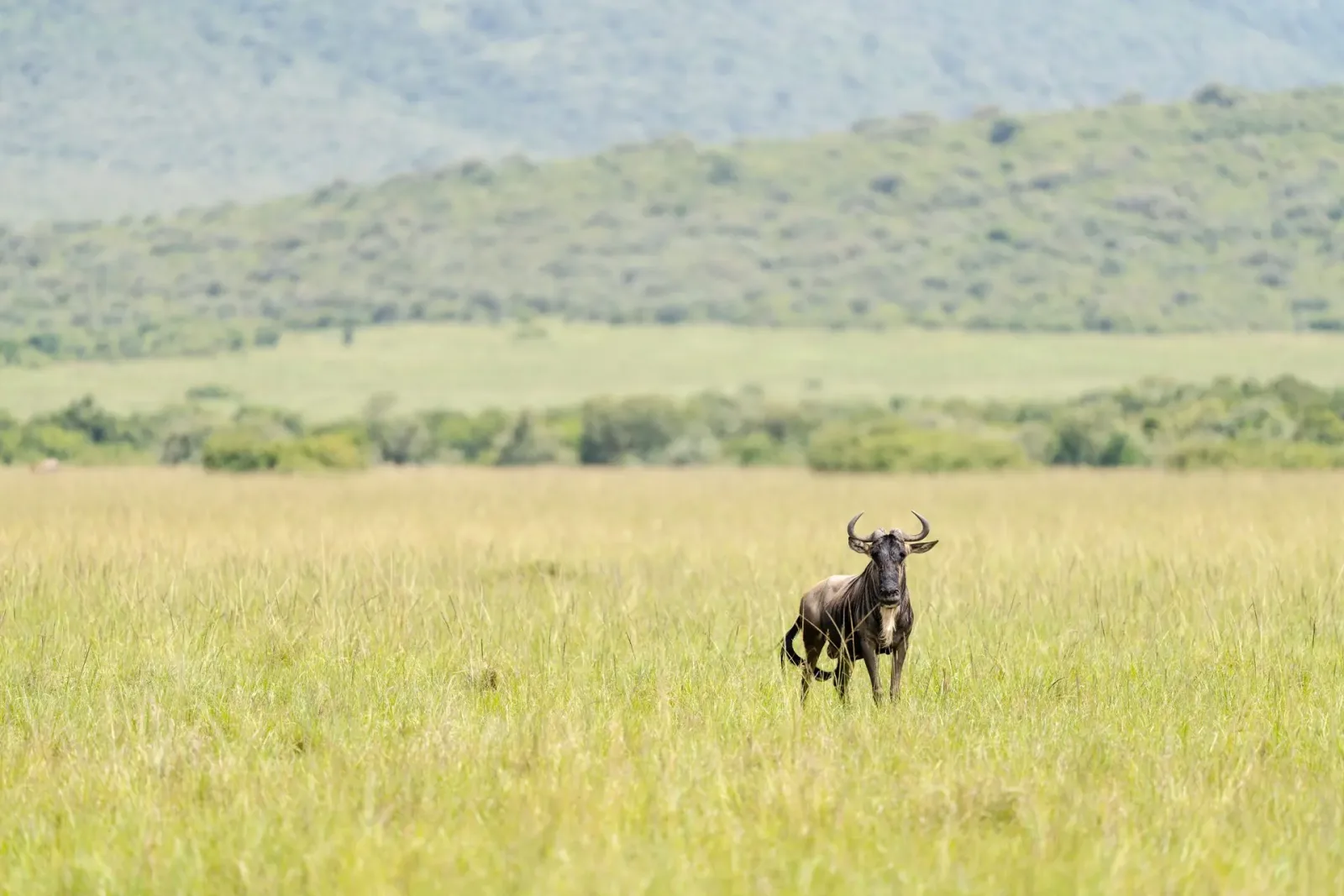
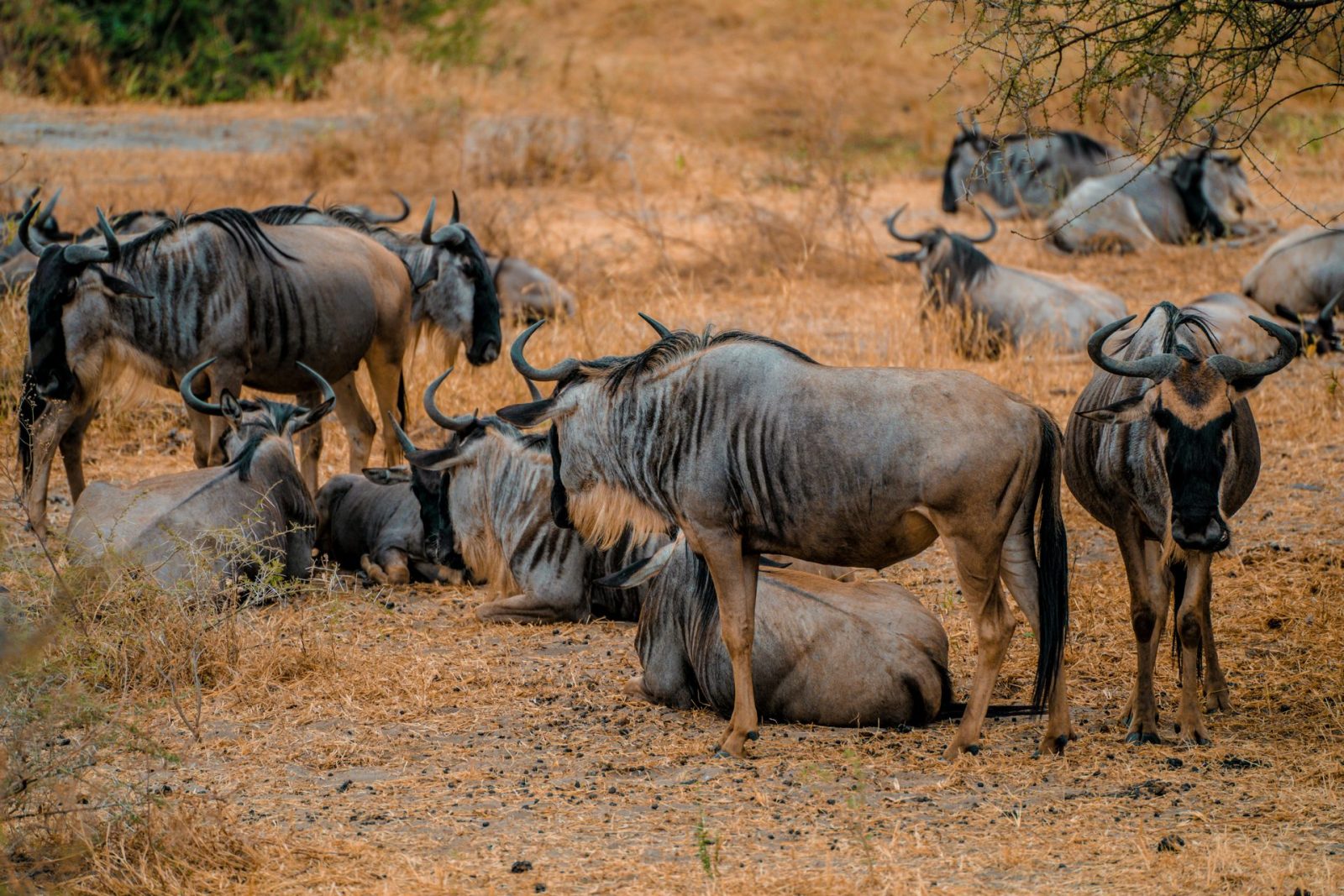
Travelers hoping to witness the Great Wildebeest Migration should plan their safari around the seasonal movement of more than two million wildebeest, zebras, and gazelles across the Serengeti ecosystem.
Visitors dreaming of seeing the Big Five often combine Serengeti National Park with Ngorongoro Crater, one of Africa's best wildlife conservation areas.
Families with children may prefer shorter driving distances combined with comfortable lodges and flexible game drives.
Photographers often schedule trips around the calving season or the dramatic Mara River crossings to capture remarkable wildlife behavior.
Luxury travelers frequently combine safari adventures with relaxing beach holidays in Zanzibar for the ultimate Tanzania vacation.

This guide brings together local knowledge, practical planning advice, and first-hand safari experience to help you make informed travel decisions. Inside, you'll discover:

The best national parks in Tanzania
The best time to visit Tanzania for safari
The Great Wildebeest Migration explained
Tanzania safari costs and budgeting
Luxury, mid-range, and budget safari options
Private vs group safaris
Family-friendly safari recommendations
Wildlife and birdwatching highlights
Packing tips and travel essentials
Frequently asked questions from international travelers

Whether you're planning a 3-day safari from Arusha, a week-long Northern Circuit adventure, a Mount Kilimanjaro climb combined with wildlife viewing, or a safari followed by a Zanzibar beach holiday, this Tanzania Safari Guide will help you plan an unforgettable journey with confidence.

How to Plan a Tanzania Safari: A Step-by-Step Guide for First-Time Visitors

Great Wildebeest Migration is your priority, your travel dates should align with the migration's seasonal movement across Serengeti National Park. Travelers hoping to see the Big Five—lion, leopard, elephant, buffalo, and rhino—often combine Serengeti National Park with the Ngorongoro Crater for the best wildlife viewing opportunities.

Next, choose the right safari duration. A 4 to 7-day Northern Circuit safari is ideal for most first-time visitors, allowing enough time to explore Serengeti, Ngorongoro Crater, Tarangire National Park, and, if time permits, Lake Manyara National Park without feeling rushed.

Seasonality also plays an important role. The dry season (June to October) offers excellent game viewing as wildlife gathers around water sources, while the green season (November to May) provides lush landscapes, fewer crowds, outstanding birdwatching, newborn wildlife during the calving season, and attractive accommodation prices.

When building your itinerary, balance travel distances with quality wildlife experiences instead of trying to visit as many parks as possible. Spending additional time in fewer destinations often results in a more rewarding safari than rushing between multiple parks.

Finally, work with an experienced local safari operator who understands seasonal wildlife movements, road conditions, park regulations, accommodation quality, and logistics. Expert planning helps maximize wildlife sightings while ensuring a comfortable, safe, and memorable journey throughout Tanzania.

"The best Tanzania safaris are not measured by how many parks you visit, but by how much time you spend experiencing each destination. Allow enough time for early morning game drives, changing wildlife behavior, spectacular landscapes, and unexpected encounters—these are the moments that create unforgettable African safari memories."Expert planning advice from our local Tanzania safari specialists.

Frequently Asked Questions

A 4 to 7-day safari is ideal for most travelers exploring Tanzania's Northern Safari Circuit. Four days is enough to visit Tarangire National Park, Ngorongoro Crater, and Lake Manyara, while 6 to 8 days allows you to spend more time in Serengeti National Park and enjoy a relaxed pace with additional game drives.

Yes. Tanzania is one of Africa's best safari destinations for first-time visitors. The Northern Circuit offers excellent wildlife viewing, professional safari guides, quality accommodation, good road networks, and the opportunity to see the Big Five alongside the world-famous Great Wildebeest Migration.

Tanzania offers exceptional safari experiences throughout the year. The dry season from June to October is best for wildlife viewing because animals gather around rivers and waterholes. The green season from November to May offers lush scenery, fewer tourists, excellent birdwatching, and the wildebeest calving season in southern Serengeti.

Safari prices depend on accommodation, travel style, season, and group size. Budget camping safaris generally start around $250–$400 per person per day, mid-range lodge safaris range from $400–$700, while luxury safaris can cost $700–$1,500 or more per person per day.

The most popular parks include Serengeti National Park, Ngorongoro Crater, Tarangire National Park, Lake Manyara National Park, Arusha National Park, Ruaha National Park, Nyerere National Park, Katavi National Park, and Mahale Mountains National Park. Your itinerary should depend on your travel time, budget, and wildlife interests.

Yes. Tanzania is one of the best places in Africa to see the Big Five—lion, leopard, elephant, buffalo, and black rhinoceros. Ngorongoro Crater is particularly famous for offering one of the highest chances of seeing all five species during a single safari.

The Great Migration occurs year-round as more than two million wildebeest, zebras, and gazelles move through the Serengeti ecosystem. Calving usually takes place from late January through March, while the famous Mara River crossings are typically seen between July and October.

Private safaris provide greater flexibility, personalized itineraries, private vehicles, and customized game drives. Group safaris are more affordable and are an excellent choice for solo travelers or couples looking to reduce costs while enjoying a guided safari experience.

Yes. Tanzania is considered one of East Africa's safest travel destinations. By traveling with a licensed safari operator, following your guide's instructions, and taking normal travel precautions, most visitors enjoy a safe and memorable safari.

Most international travelers require a tourist visa to enter Tanzania. Requirements vary by nationality, so it's important to check the latest immigration regulations before traveling and ensure your passport is valid for at least six months beyond your arrival date.

Most Northern Circuit safaris begin from Kilimanjaro International Airport (JRO), located between Arusha and Moshi. Some travelers also arrive through Julius Nyerere International Airport (DAR) in Dar es Salaam before connecting to Arusha.

Yes. Many lodges and safari camps welcome families and offer child-friendly activities. Private safaris are often the best option for families because they provide flexible schedules that can be adapted to children's needs.

Pack lightweight neutral-colored clothing, comfortable walking shoes, a warm jacket for early morning game drives, sunscreen, sunglasses, insect repellent, binoculars, a camera, reusable water bottle, hat, and any personal medications.

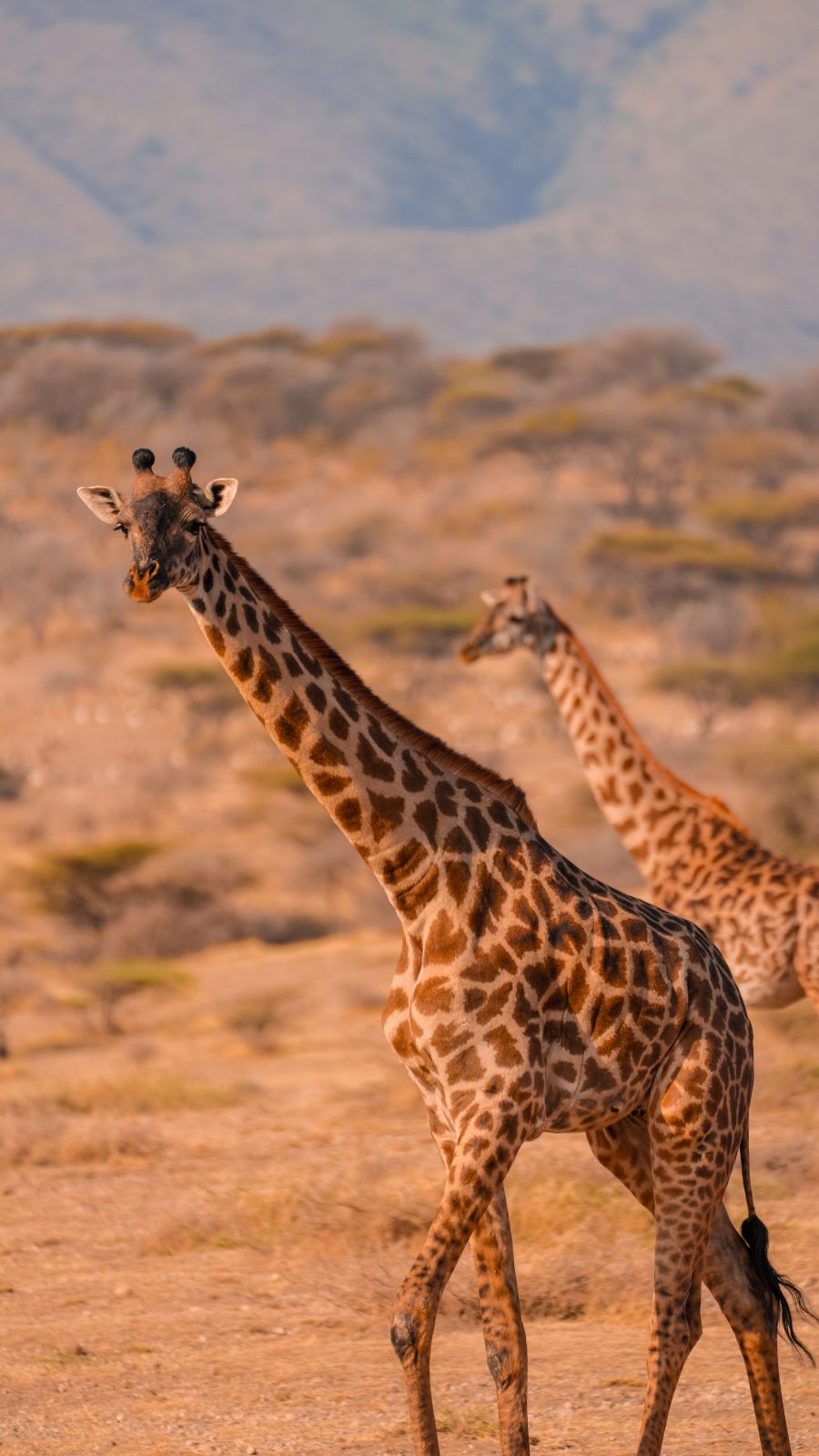
Depending on the season and location, you may see lions, elephants, leopards, buffalo, rhinos, giraffes, cheetahs, zebras, wildebeest, hippos, crocodiles, hyenas, gazelles, antelopes, monkeys, and more than 1,000 bird species.

For many travelers, yes. A sunrise hot air balloon safari over Serengeti provides spectacular aerial views of wildlife and landscapes, followed by a champagne-style bush breakfast. It is one of Tanzania's most memorable safari experiences.

Absolutely. Many travelers finish their Tanzania safari with a beach holiday in Zanzibar. This combination offers an ideal mix of wildlife adventure, cultural experiences, and relaxation on the Indian Ocean.

Budget safaris usually feature camping or simple lodges, mid-range safaris include comfortable lodges with excellent amenities, while luxury safaris offer premium accommodations, personalized service, gourmet dining, and exclusive wildlife experiences.

Booking six to twelve months in advance is recommended, especially if you plan to travel during the peak safari season from June to October or during the festive holiday period. Early booking provides the best choice of lodges, camps, and flight availability.

Yes. Many travelers combine a Mount Kilimanjaro climb with a Tanzania safari. After completing the climb, a wildlife safari provides an excellent opportunity to relax while exploring Serengeti, Ngorongoro Crater, Tarangire, and other national parks.

Booking with a local Tanzania safari company offers expert destination knowledge, personalized itinerary planning, competitive pricing, professional guides, direct support throughout your journey, and the confidence that your trip benefits local communities and conservation efforts.

References and Further Reading

RECOMMENDED SAFARI EXPERIENCES

Related Tours

Read-only recommendations from Tour Management, matched to this guide.